



Application Solutions for Portable Weather Stations
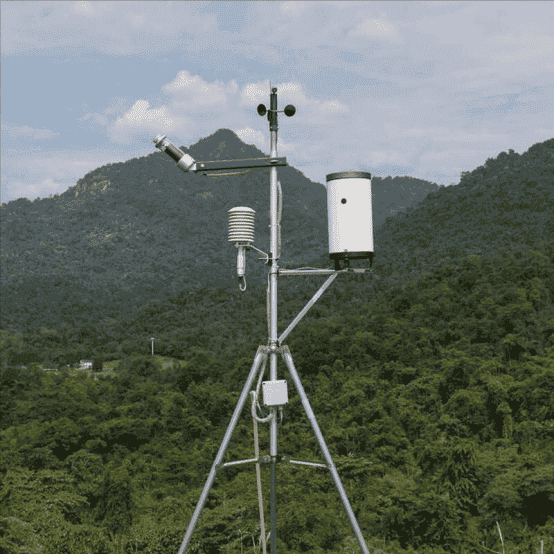
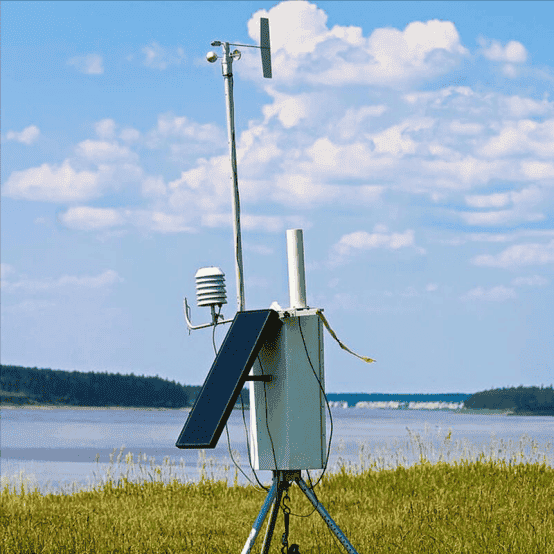
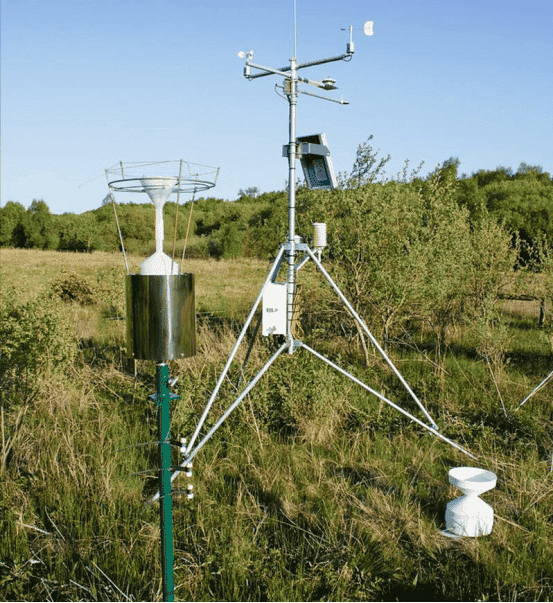
The portable weather station is a lightweight, multifunctional environmental monitoring device capable of real-time monitoring and recording of meteorological parameters such as temperature, humidity, wind speed, wind direction, atmospheric pressure, and precipitation. During emergency response operations, it provides critical environmental data support for on-site command and rescue activities.
I. Application Scenarios and Solutions
1. Natural Disaster Relief
Scenario Description:Natural disasters such as typhoons, floods, and earthquakes can trigger complex meteorological conditions that may directly impact rescue operations.
Application Scenarios:During natural disasters like typhoons and torrential rains, portable weather stations provide real-time monitoring of wind speed and direction. This enables precise assessment of hazardous areas, allowing rescue teams to promptly adjust routes and strategies. Additionally, they can monitor atmospheric pressure, enabling swift alerts to rescue teams to evacuate or avoid risks upon detecting potential shifts toward extreme weather events like sudden downpours or storm surges.
2. Forest Fire Rescue
Scenario Description:The spread of forest fires is closely related to meteorological conditions such as wind direction and wind speed.
Application Scenarios:Based on wind speed and direction data provided by meteorological instruments, determine the direction of fire spread to inform firefighting deployment; monitor air quality and environmental temperature in real time to prevent rescue teams from entering hazardous high-temperature zones or dense smoke areas.
3. Chemical Spill or Explosion Incident
Scenario Description:When leaks or explosions occur at chemical plants or during hazardous material transport, meteorological conditions determine the dispersion range of toxic gases.
Application Scenarios:The meteorological instrument can assess gas dispersion ranges. By monitoring wind speed, wind direction, and atmospheric pressure data, it simulates the direction and speed of toxic gas dispersion, providing reference for evacuating people and sealing off hazardous areas. Simultaneously, through humidity and rainfall monitoring, it determines whether measures such as water spraying for dust suppression are necessary to mitigate the hazards of gas dispersion.
4. Water Rescue and Flood Response
Scenario Description:During flood and water rescue operations, weather changes directly impact water flow and operational safety.
Application Scenarios:By monitoring rainfall levels, meteorological instruments enable timely tracking of precipitation trends and assessment of flood risks, facilitating the early deployment of flood prevention measures. Simultaneously, wind speed and direction monitoring is critical, as the data assists in directing the dispatch of vessels and rescue equipment, effectively preventing secondary accidents caused by adverse weather conditions.
5. Aerial Rescue and Airdrop Operations
Scenario Description:When conducting rescue operations using helicopters or drones in complex terrain, meteorological conditions are critical.
Application Scenarios:Prior to flight operations, meteorological instruments conduct rigorous assessments of flight conditions by continuously monitoring wind speed, wind direction, and atmospheric pressure. This enables precise determination of whether the aircraft's current state meets airworthiness requirements, effectively ensuring aviation safety. During airdrop operations, leveraging real-time wind speed and direction data, it dynamically adjusts drop points to overcome airflow interference, ensuring supplies are delivered precisely and accurately to designated locations.
II. Advantages and Significance
Real-time Monitoring:Portable weather stations deliver precise, real-time meteorological data, ensuring rescue operations are conducted scientifically and efficiently.
Portability and Flexibility: Compact size and lightweight design make it easy to carry anywhere, enabling rapid deployment in complex environments.
Data Synchronization: Data can be transmitted back to the command center via wireless communication modules, working in tandem with the rescue decision-making system.
Versatility:Adaptable to diverse rescue scenarios, covering natural disasters, industrial accidents, aviation operations, and other fields, providing comprehensive support for emergency response.
III. Summary
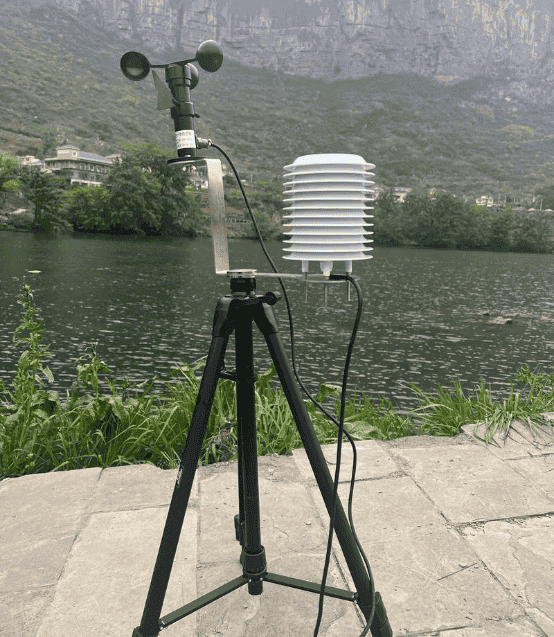
Portable Weather Station DY-BZE-QXYWith its lightweight, precise, real-time, and multifunctional features, it plays a vital role in disaster relief, environmental monitoring, traffic safety, agricultural production, scientific research and education, as well as national defense. By integrating with modern information technology, its application prospects will expand further, contributing to smart societies and sustainable development.