



From Flood Control to Protection: The Versatile Role of Colorful Plastic Sheeting
In recent years, various emergencies and natural disasters have occurred frequently. Particularly in scenarios such as flood control, post-disaster rescue operations, and emergency response, higher demands have been placed on temporary on-site protection and rapid deployment of supplies. As an emergency material with excellent waterproofing, wind resistance, and weather resistance properties, tarpaulins—with their vivid colors and user-friendly characteristics—have been widely utilized in disaster areas for emergency command, on-site covering, embankment reinforcement, and temporary protection.
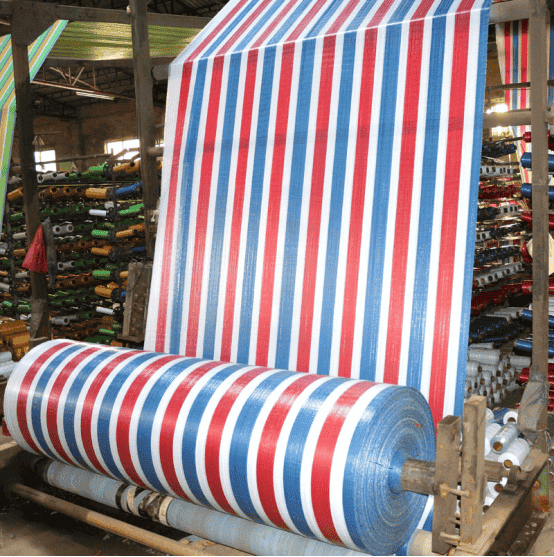
Bunting is a striped fabric made from polyethylene,PVC, or other waterproof plastic materials. Typically featuring bright colors like red, white, and blue, it facilitates on-site identification, screening, and protection during emergencies. Its primary characteristics include being lightweight, waterproof, windproof, corrosion-resistant, and weather-resistant, making it suitable for long-term use in harsh climatic conditions.
In an emergency situation where sudden heavy rains triggered flooding in a certain location in 2024, the local government promptly activated its flood control and emergency response plan. Rescue teams on-site rapidly mobilized emergency supplies. Colored tarpaulins, serving as temporary protective and reinforcement materials, were deployed for rapid coverage on the water-facing side of embankments and in affected areas. This helped prevent floodwater intrusion and soil erosion, ensuring the smooth progression of rescue and relief operations.
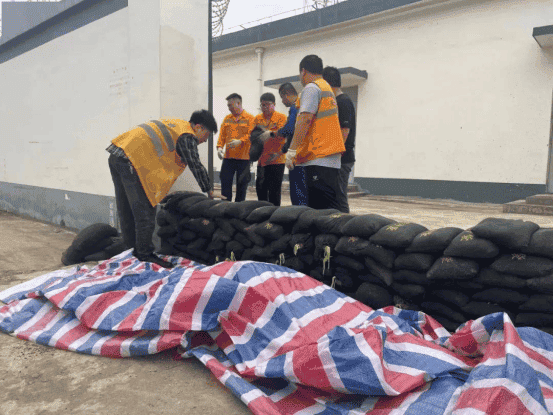
When emergencies arise, local emergency teams swiftly deploy tarpaulins on the upstream side of the dam. After securing and anchoring them, these form temporary protective barriers that reduce flood impact, buying time for sandbag reinforcement. At the rescue site, tarps were swiftly erected as temporary shelters, delineating emergency response and safety zones. They also served as command markers, facilitating rescue operations. At reservoirs or wellheads, tarps covered water surfaces to reduce evaporation, prevent rainwater from carrying impurities, and maintain water quality stability.
According to statistics, during this emergency response, the area covered by striped tarpaulins exceeded5,000 square meters. This effectively stabilized the hazardous site, preventing the embankment from leaking or collapsing due to rainwater erosion while also providing a safe working environment for personnel on-site. Leaders at all levels and rescue workers present unanimously stated that striped tarpaulins, as an economical and convenient temporary protective material, played a crucial role in emergency situations.
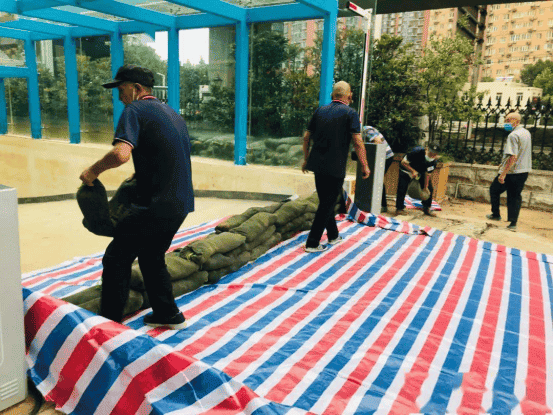
Colored Striped Fabric DY-BZE-CBTWith its waterproof, weather-resistant, highly visible, and user-friendly features, this fabric has been widely adopted in flood control, emergency response, and rescue operations. In emergencies, it not only enables rapid construction of temporary protective barriers but also effectively supports on-site command and resource allocation, providing robust support for disaster relief operations.