



Infrared Detector Application Case
Infrared life detectors are typically employed in two primary areas for earthquake applications: monitoring seismic precursors and post-disaster rescue operations. The following is a case study of an infrared life detector in earthquake response:
Earthquake Precursor Monitoring:
In the field of earthquake precursor monitoring, infrared life detectors can be used to detect changes in animal behavior prior to seismic events. Research indicates that underground rock deformation and gas emissions preceding earthquakes may influence the behavior of surrounding organisms. Certain animals may alter their activity patterns, migration routes, or exhibit other abnormal behaviors before an earthquake occurs. Infrared life detectors can monitor these animals' thermal radiation and activity patterns to identify potential earthquake precursor signals.
Disaster Relief:
Following an earthquake, infrared life detectors can be deployed for post-disaster rescue operations. These devices assist rescue teams in rapidly and accurately locating survivors within disaster zones, particularly during nighttime or low-light conditions where infrared monitors effectively detect individuals trapped beneath debris. By detecting thermal radiation emanating from the ground, rescuers can identify potential survival pockets and direct search-and-rescue efforts.
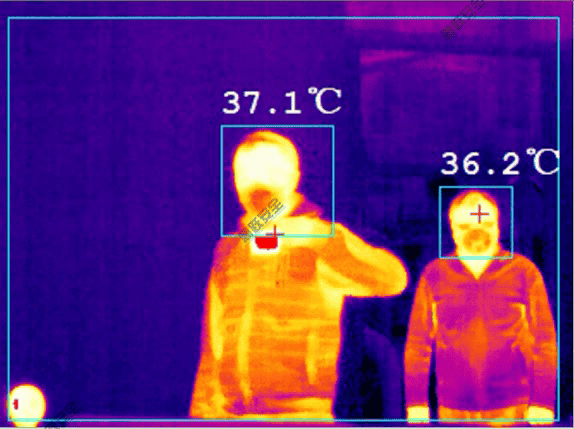
The application of infrared life detectors not only enhances rescue efficiency but also increases the chances of survival for trapped individuals. In the face of natural disasters like earthquakes, time is life. The rapid and accurate detection capabilities of infrared life detectors buy precious time for rescue personnel, enabling more lives to be saved.
Additionally, infrared life detectors feature user-friendly operation and strong adaptability. They can function in various complex environments without being constrained by factors such as lighting or weather conditions. Consequently, at disaster sites like earthquake zones, infrared life detectors have become indispensable equipment for rescue personnel.