


Infrared Life Detector, The Eye of Life for Rescue Operations
Recently, frequent torrential rains in many regions have triggered natural disasters such as landslides and mudslides. These disasters often involve building collapses and trapped individuals, posing significant challenges to rescue operations. In such critical moments, infrared life detectors have become essential tools for enhancing rescue efficiency.
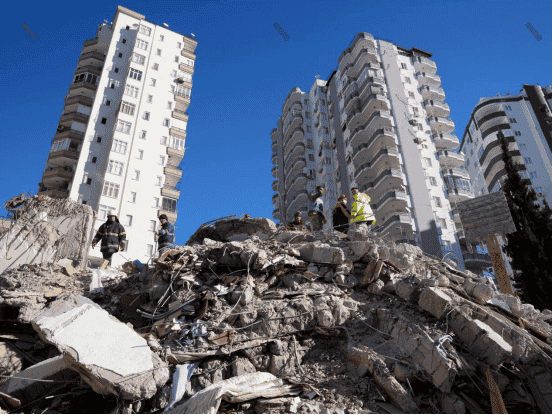
An infrared life detector is a device that utilizes infrared technology to detect signs of life, primarily used to locate survivors trapped in environments such as rubble or collapsed buildings. By detecting the faint heat emitted by the human body, the infrared life detector can precisely locate signs of life in complex, dark, and smoke-filled environments. It not only penetrates thick building debris but also overcomes line-of-sight obstacles that traditional optical equipment cannot handle, enabling rescue personnel to quickly pinpoint the location of trapped individuals.
The infrared life detector employs advanced thermal imaging modules capable of detecting minute temperature variations in the human body. It effectively locates signs of life in darkness or smoke-filled environments. Simultaneously, the device possesses powerful penetration capabilities, enabling detection through building debris, rubble piles, and even walls. This provides rescue teams with precise location information, significantly reducing rescue times.
During earthquake rescue operations, infrared life detectors played a crucial role. Using this equipment, rescue teams successfully detected thermal signals from trapped individuals amid the rubble, enabling them to swiftly locate and rescue survivors. Thanks to the detectors' highly efficient detection capabilities, rescue teams completed their missions within the golden rescue window, saving numerous lives.
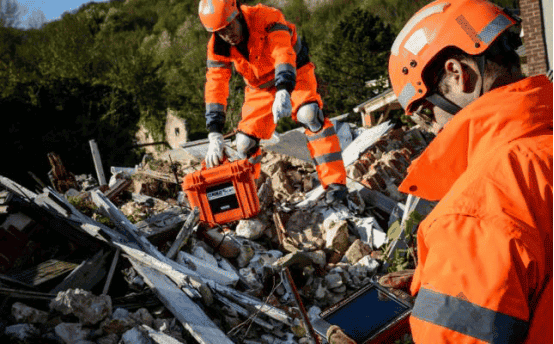
Infrared Life Detector DY-DZE-HSYWith its precise and efficient life detection capabilities, this device is widely used in rescue operations at disaster sites such as earthquakes, mudslides, and building collapses. It can rapidly locate survivors, enhance the success rate of rescue efforts, and secure valuable rescue time for those still alive.