



Radar Detector: The Penetrating Eye of Rescue Operations
The Radar Life Detector is a device based on microwave radar technology that locates trapped individuals by detecting faint vital signs such as breathing and heartbeats. This device can penetrate obstacles like buildings, walls, and rubble piles to rapidly detect signs of life, unaffected by light, smoke, or other environmental factors. Whether in collapsed urban structures, earthquake debris, or other complex rescue environments, the radar life detector accurately captures vital signals, providing rescue personnel with real-time life detection data.
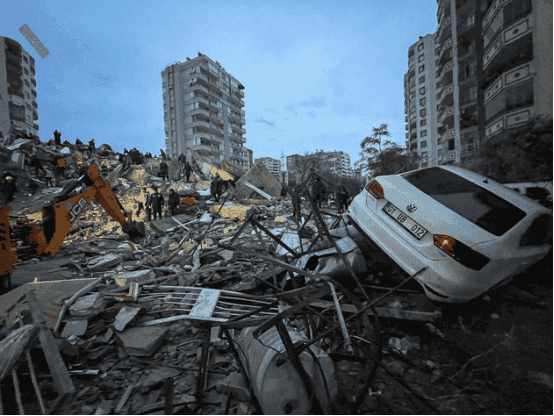
Radar life detectors can penetrate various obstacles,detecting through walls over50 centimeters thick. They can locate stationary living beings at distances exceeding 20 meters and moving living beings at distances exceeding 25 meters. This enables rescue personnel to quickly pinpoint trapped individuals even in complex rescue environments, significantly reducing rescue time.
Additionally, this device boasts exceptional sensitivity, capable of detecting minute vital signs signals—even the faintest breaths and heartbeats of trapped individuals. This enables the radar life detector to excel in search and rescue operations, ensuring no signs of life are overlooked.
Secondly, the radar life detector utilizes lightweight, high-quality materials and features a compact design for easy portability. Its operation is straightforward, with an intuitive display terminal. Users can quickly master its use after minimal training, making it suitable for various emergency rescue scenarios and enhancing overall rescue efficiency.
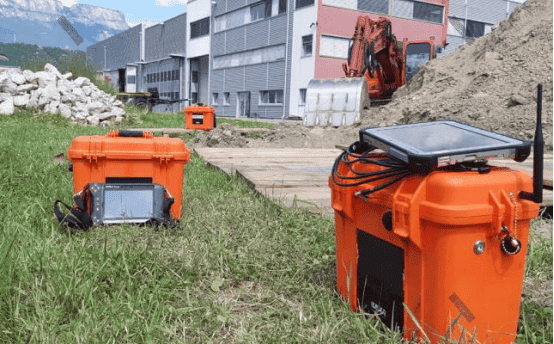
The DY-DZE-LSY Radar Life Detectordelivers outstanding performance, making it an essential component of modern rescue equipment. Its powerful penetration capability, high sensitivity, and rapid response enable rescue teams to precisely locate signs of life in complex disaster scenes, thereby increasing the chances of survival for trapped individuals.