



Rock Drill, Precision Rock Breaking and Efficient Operation
Rock drills play a vital role not only in construction, mining, and tunnel projects but also hold significant value in emergency rescue operations. Particularly following natural disasters such as earthquakes, mining accidents, floods, or landslides, rock drills serve as essential rescue equipment. They enable search and rescue teams to rapidly clear obstructions, rescue trapped individuals, remove debris, and provide critical support for subsequent rescue efforts.
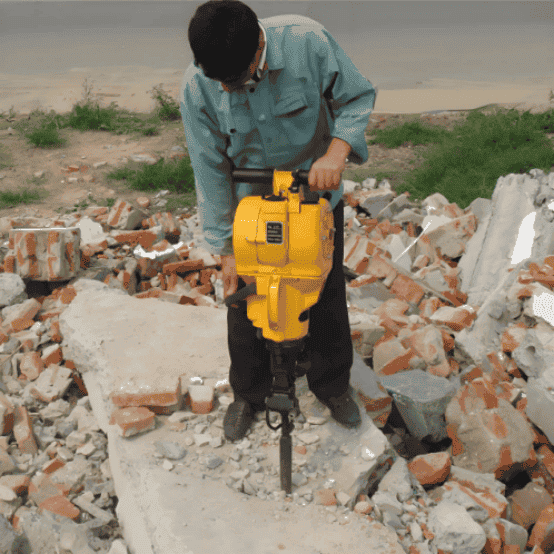
Rock drills can rapidly break through concrete, rock, and other hard materials. In scenarios such as collapsed buildings or underground mines, they swiftly clear debris and rubble, becoming indispensable tools for creating rescue passages. This significantly shortens rescue times, racing against the clock to save lives.
Itcanexercise precise control over the system, enabling accurate adjustment of operational force. This allows for efficient obstacle removal while effectively preventing secondary injuries to trapped individuals and rescue personnel, thereby ensuring rescue operations proceed safely and orderly.
In 2010, Chile was struck by an 8.8-magnitude earthquake, causing widespread building collapses and trapping hundreds of people. Emergency response teams swiftly activated international rescue protocols and deployed large numbers of rock drills and other heavy equipment to assist in search and rescue operations. Rock drills were used to clear passages blocked by collapsed structures and debris piles, enabling rescue teams to reach trapped individuals more swiftly. Some victims remained trapped under rubble for over 72 hours, and the rapid demolition capabilities of rock drills allowed rescue operations to commence within the shortest possible timeframe.
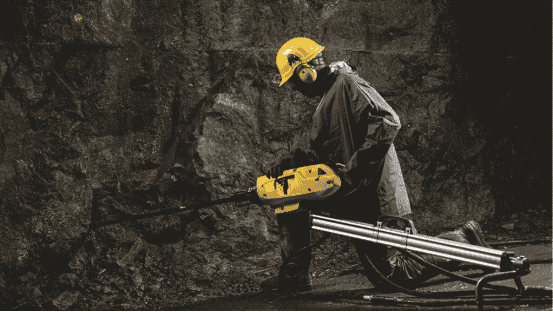
Rock Drill DY-DZE-ZYJWidely deployed in earthquake, mining accident, flood disaster, and urban rescue scenarios, it rapidly clears road obstructions to enhance rescue personnel's access efficiency at disaster sites. This significantly boosts rescue effectiveness while reducing injury risks for trapped individuals. Simultaneously, its high efficiency, precision, and rugged construction enable swift obstacle clearance and passageway creation, ensuring unimpeded rescue operations.