



Hydraulic spreader, an efficient rescue tool that saves lives
At disaster sites, time is often synonymous with life. Every second of delay can lead to irreparable loss. In these critical situations, hydraulic spreaders are playing an increasingly vital role as highly effective rescue tools. Whether in traffic accidents, building collapses, or other emergencies, hydraulic spreaders can swiftly and efficiently clear the surroundings of trapped individuals, enabling the rescue of those trapped.
Hydraulic spreaders, also known as"hydraulic cutters" or "hydraulic rescue tools," are devices driven by hydraulic principles that generate powerful thrust or pulling force. They are used to expand, cut, or tear through hard materials such as metal and concrete. This equipment is widely used in emergency rescue operations, particularly excelling in scenarios like traffic accident rescues, building collapses, and post-disaster relief efforts.
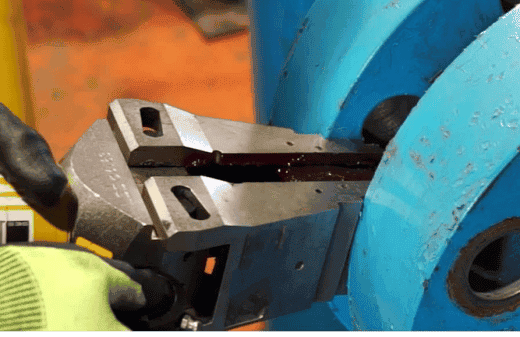
In a severe traffic accident, a compact car overturned and collided with a truck, trapping two passengers inside with the doors completely mangled and inoperable. Rescue personnel immediately deployed hydraulic spreaders to access the scene. Utilizing the powerful thrust of the hydraulic spreaders, the doors were swiftly pried open, enabling rescuers to rapidly enter the vehicle, treat the injured passengers, and successfully extract them.
Hydraulic spreaders not only significantly reduce rescue times but also successfully prevent further injuries to victims. Rescue personnel can avoid direct use of cutting tools, minimizing potential secondary injuries to the injured and greatly enhancing the precision and safety of rescue operations.
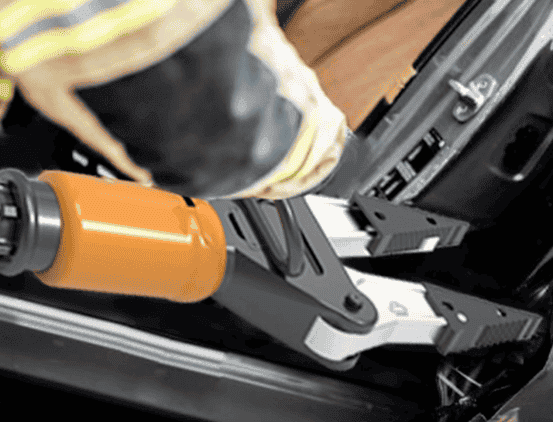
Hydraulic Spreader DY-DZE-KZQCompared to traditional manual tools, it delivers powerful torque in a fraction of the time, eliminating the need for rescue personnel to exert prolonged manual demolition efforts. This reduces the complexity and danger of rescue operations. The use of hydraulic spreaders significantly enhances rescue efficiency while minimizing potential injury risks, ensuring the safety of both rescue personnel and trapped individuals.