



Infrared Thermal Imager: The "Eagle Eye" for Forest Fire Prevention and Emergency Rescue
I. Introduction
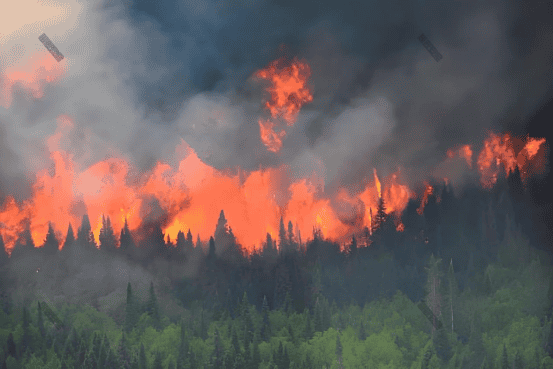
With the increasing frequency of forest fires and various emergency incidents, rapidly and accurately detecting fire sources and locating trapped individuals has become a critical challenge in ensuring public safety. Infrared thermal imaging cameras, leveraging their sensitivity to temperature variations, real-time monitoring capabilities, and all-weather operation, have progressively become essential equipment in forest fire prevention and emergency rescue operations.
II. Technical Principles and Features of Infrared Thermal Imaging Cameras
1. Technical Principles
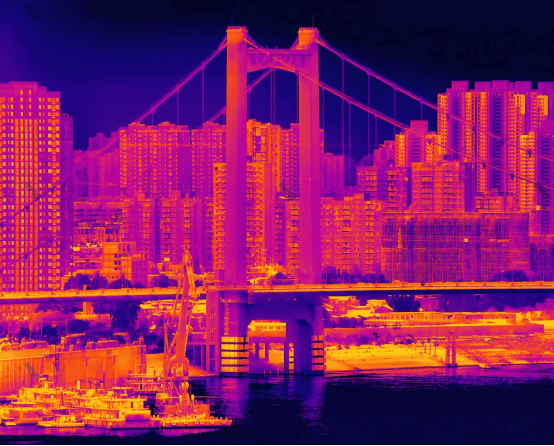
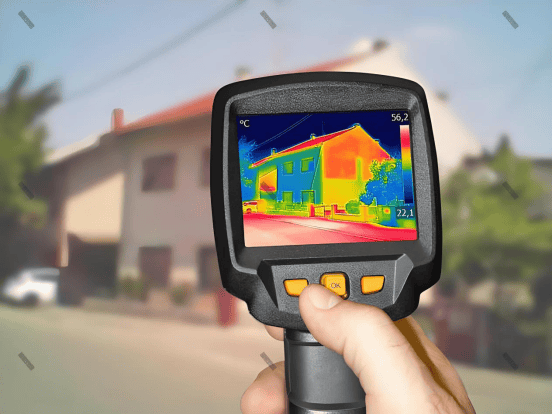
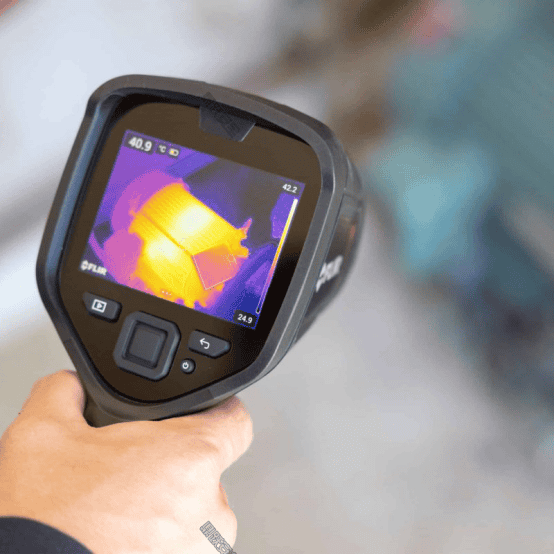
Infrared detectors utilize highly sensitive sensors to capture faint infrared radiation signals; signal processing units convert temperature data into digital signals; finally, the image display module presents real-time temperature variations in target areas, enabling users to make rapid judgments and decisions. This technology is widely applied in forest fire prevention, emergency rescue operations, and complex environmental monitoring, providing efficient and intuitive visual support.
2. Core Features
All-weather operation:Operates reliably day or night, regardless of adverse weather conditions.
High Sensitivity:Capable of rapidly detecting minute temperature changes, suitable for early fire source detection and locating hypothermic individuals.
Real-time Response:Rapid processing and display of temperature information, providing timely data support for emergency decision-making.
III. Application Cases of Infrared Thermal Imaging Cameras in Forest Fire Prevention
Case Study: Early Forest Fire Warning System in a Provincial Region
In the forest fire prevention system of a certain province or region, infrared thermal imaging cameras have been integrated into fixed monitoring towers and unmanned aerial vehicle (UAV) inspection platforms to conduct real-time monitoring of temperature anomalies across large forest areas.
Application Scenario:Periodic inspections using high-altitude drones equipped with infrared thermal imaging cameras effectively cover remote and sparsely populated areas.
Key Success Factors:
Early fire source detection:Localized temperature increases can be detected during the initial stages of a fire, triggering immediate alerts via the data transmission system.
Intelligent Data Analysis:The system compares and intelligently interprets collected temperature data to reduce false alarm rates and enhance early warning accuracy.
Performance Evaluation:Since its implementation, this system has repeatedly issued early warnings during the initial stages of fires, significantly reducing the risk of fire spread and economic losses.
IV. Application Cases of Infrared Thermal Imaging Cameras in Emergency Rescue Operations
Case Study: Locating and Rescuing Missing Persons in Mountainous Areas
During a mountain tourism accident, traditional rescue methods struggled to locate trapped individuals promptly due to complex terrain and the challenges of nighttime operations. The rescue team employed infrared thermal imaging cameras for simultaneous aerial and ground searches:
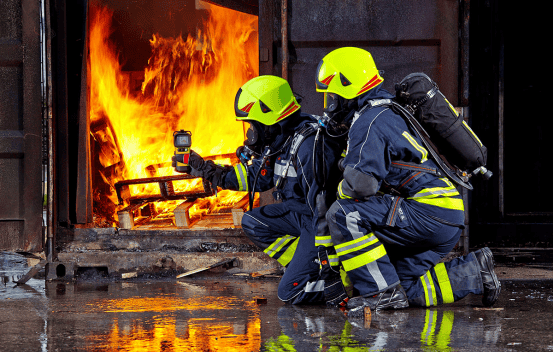
Application Scenario:Rescue personnel utilize handheld devices and drones equipped with infrared thermal imaging cameras to overcome visual blind spots and achieve real-time heat source detection.
Key Success Factors:
Rapid Positioning:Infrared imaging effectively identifies thermal signals emitted by the human body, enabling precise positioning even in dense fog or nighttime environments.
Data Synchronization:Through wireless transmission, the rescue command center can monitor real-time conditions at the scene and dispatch appropriate resources for rescue operations.
Effectiveness Evaluation:This rescue operation significantly reduced search and rescue time, successfully saving multiple lives, and fully demonstrated the irreplaceable role of infrared thermal imaging cameras in emergency rescue operations.
V. Case Studies and Best Practices
1. Key Success Factors
Technology Integration and Intelligence:The integration of infrared thermal imagers with drones, fixed monitoring systems, and data processing platforms enables full-process automation from data collection to intelligent analysis.
System-wide Collaborative Operations:By integrating with the emergency command platform, it enables coordinated operations across multiple departments and stages, significantly enhancing emergency response efficiency.
Field Validation:Multiple real-world cases have demonstrated the equipment's high reliability and adaptability, providing practical data support for further promotion.
2. Existing Challenges and Areas for Improvement
Environmental Interference: Extreme weather conditions and complex terrain may affect the clarity and accuracy of infrared imagery, necessitating continuous optimization of algorithms and sensor performance.
Data Transmission Stability: In remote areas, wireless signals may experience instability. Future efforts should focus on enhancing network coverage and developing backup communication solutions.
VI. Conclusion
Analysis of real-world cases in forest fire prevention and emergency rescue demonstrates that infrared thermal imaging cameras offer significant advantages in early fire detection and personnel location in complex environments. Their high sensitivity and all-weather operational capabilities provide critical technical support for emergency response, effectively reducing disaster losses. With continuous technological advancements and the deepening integration of multi-platform applications, infrared thermal imaging cameras will play an increasingly vital role in future public safety and emergency management systems, safeguarding societal security.