



Precision Detection, Scientific Decision-Making: Analysis of Toxic and Hazardous Gas Detectors in Re
I. Introduction
Chemical accidents and sudden fires are often accompanied by leaks of toxic and hazardous gases, which not only severely disrupt on-site rescue operations but also pose significant threats to personnel health and safety. Consequently, modern emergency response increasingly relies on high-precision toxic and hazardous gas detectors with real-time monitoring capabilities.
II. Case Background
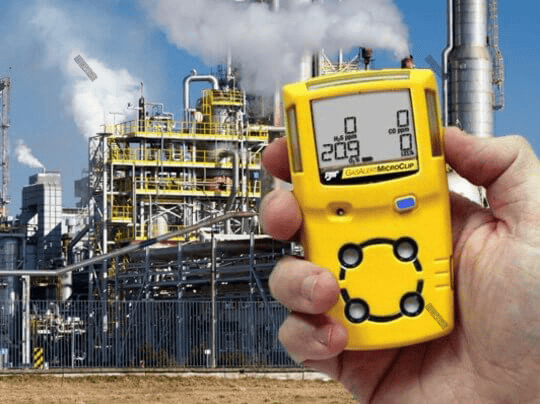
In an accident at a chemical plant, equipment failure caused a massive leak of toxic gases, rapidly increasing on-site concentrations and threatening the safety of both the facility and nearby residents. Traditional detection methods proved slow to respond and limited in coverage, failing to provide timely and accurate information during the initial stages of the incident. At this critical juncture, deployed toxic gas detectors enabled real-time monitoring via wireless networks. Delivering precise data with rapid response, they provided the command center with vital decision-making support. This facilitated the successful organization of personnel evacuation and site containment efforts, preventing further escalation of the accident and avoiding casualties.
III. Analysis of Successful Cases
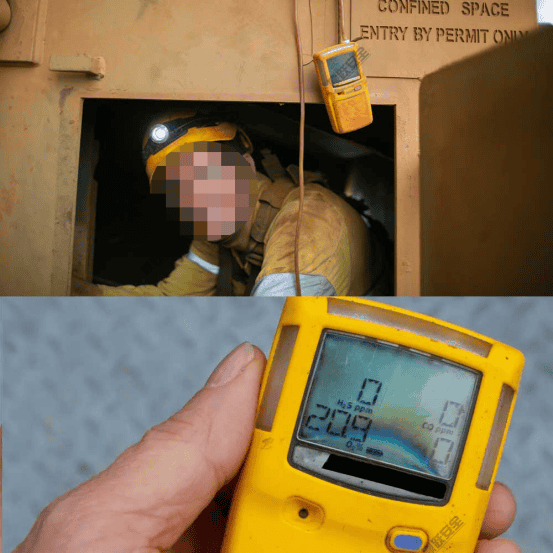
Following the incident, detection instruments immediately activated, implementing continuous monitoring of the affected area through multi-point deployment. Utilizing high-sensitivity sensors and advanced algorithms, the instruments transmitted real-time gas concentration data to the emergency command center, enabling rescue personnel to swiftly assess the situation and formulate scientifically sound evacuation and containment plans. Flexible deployment ensures comprehensive monitoring of toxic and hazardous gases, providing detailed gas distribution maps. The system incorporates an intelligent early warning mechanism that automatically triggers alarms when gas concentrations exceed thresholds, simultaneously activating ventilation and isolation equipment to slow gas dispersion and buy critical time for rescue operations. Concurrently, the monitoring system records complete data, providing essential evidence for on-site decision-making and post-incident investigations.
IV. Experience and Analysis
Enhancing emergency response speed: Real-time data transmission and early warning systems significantly reduce incident response times, buying valuable time for rescue operations.
Ensuring personnel safety: Precise detection enables rescue teams to conduct operations in an orderly manner with full awareness of toxic gas distribution at the scene, thereby reducing the risk of secondary accidents.
Scientific Decision Support: Data recording and analysis provide scientific basis for identifying accident causes, evaluating rescue measures, and implementing future prevention strategies, thereby advancing the standardization and informatization of emergency management.
V. Significance and Outlook
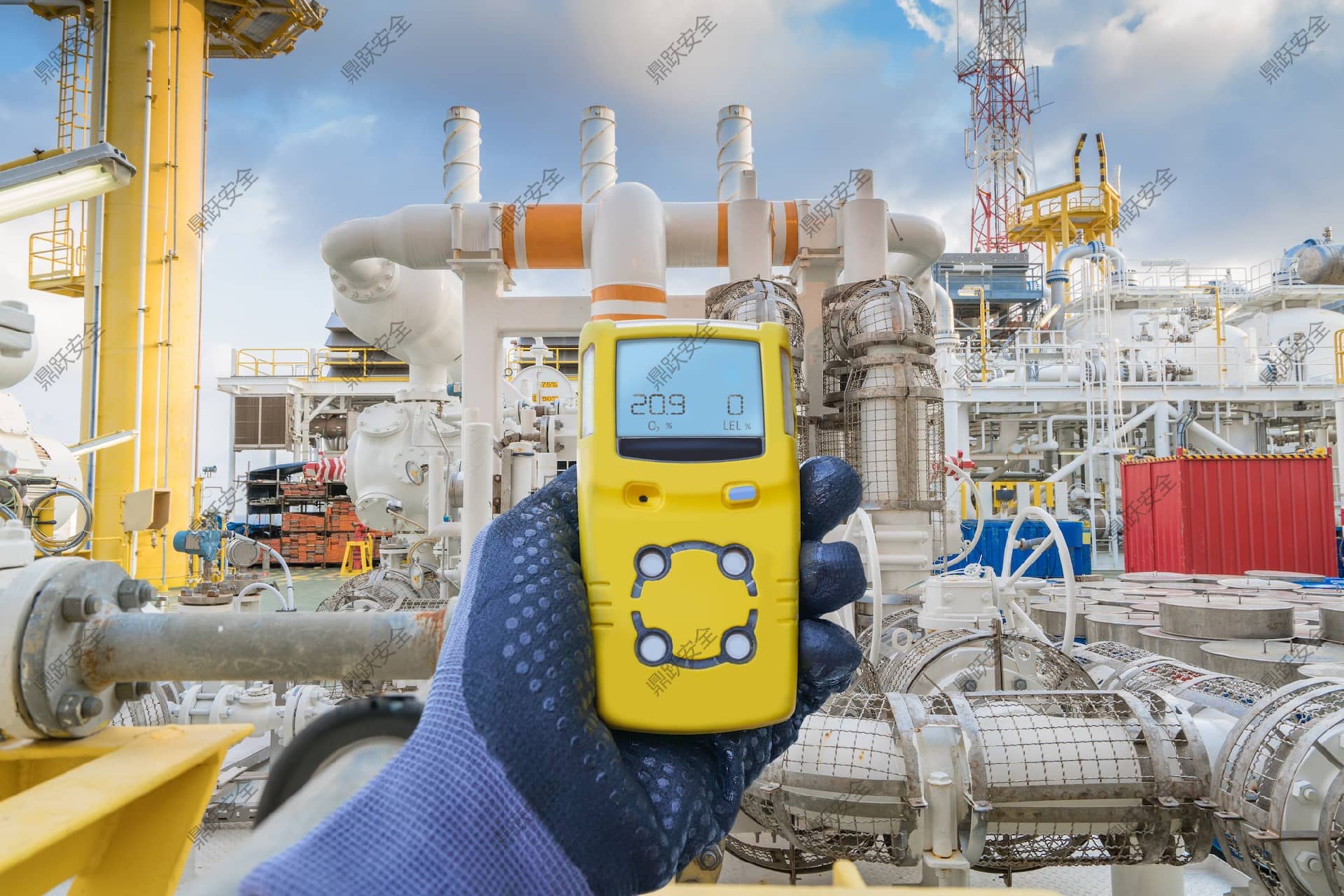
The application of toxic and hazardous gas detectors has significantly enhanced emergency response capabilities and decision-making efficiency in chemical accidents, fires, and other emergencies, offering new insights for building an intelligent, information-based emergency management system. Equipped with high-sensitivity sensors and real-time data transmission capabilities, these detectors precisely monitor on-site gas concentrations and rapidly issue early warnings, providing scientific guidance for rescue personnel. This technology not only reduces the risk of casualties during accidents but also effectively safeguards public life and property, establishing itself as an indispensable tool in modern emergency management.
VI. Conclusion
Success stories of toxic and hazardous gas detectors in chemical accidents and emergency rescue operations have fully demonstrated their vital role in providing real-time, precise monitoring information at incident sites. Through rapid response, intelligent early warning, and data support, these devices offer scientific basis for rescue decision-making, significantly enhancing emergency response efficiency. In the future, with continuous technological innovation, toxic and hazardous gas detectors will find broader applications across more sectors, driving the advancement and refinement of emergency management and public safety systems.