



Application Case Analysis and Evaluation of Portable Fire Pumps
I. Introduction
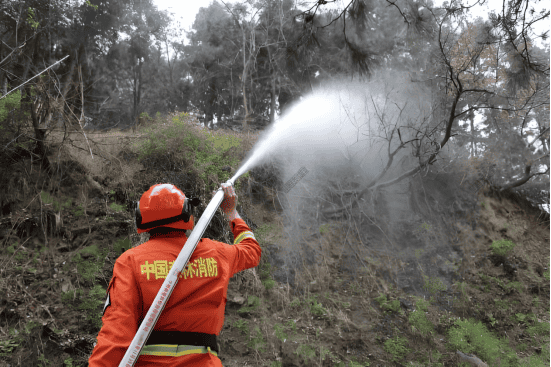
With the acceleration of urbanization and the frequent occurrence of various fire incidents, the demand for efficient, portable firefighting equipment in fire rescue operations has grown significantly. Portable fire pumps have emerged as essential gear for modern fire rescue and rapid fire suppression due to their compact size, lightweight design, rapid deployment, simple operation, and high water pressure and flow rates. This equipment is not only suitable for emergency control of initial fires but also provides effective support for subsequent large-scale firefighting operations in complex environments.
II. Equipment Features and Working Principle
Equipment Features
Portability and Flexible Deployment: Portable fire pumps feature a modular design, typically weighing between several dozen kilograms and one to two hundred kilograms. This enables firefighters to swiftly carry and deploy them in confined or complex environments.
High-efficiency fire extinguishing performance:Equipped with a high-performance electric motor or internal combustion engine to achieve high water discharge pressure and flow rate; suitable for emergency scenarios such as initial indoor fires and vehicle fires.
Automated Control:Features a built-in intelligent control module that automatically adjusts pump operation based on fire conditions, ensuring timely and stable water supply.
Versatile Applications:Beyond water-based fire suppression, certain equipment can integrate with foam extinguishing systems to provide targeted fire suppression for oil fires and specific fire sources, further expanding the equipment's applicability.
Working Principle
Portable fire pumps utilize fuel-driven motors or internal combustion engines to draw water from a source and pressurize it through hydraulic systems. During high-speed rotation, the pump rapidly increases the internal pressure of the water flow, swiftly achieving the discharge pressure and flow rate required for fire suppression. Simultaneously, built-in sensors continuously monitor the pump's operational status (such as pressure, temperature, and flow rate), ensuring stable performance across diverse fire scenes. This operating principle enables portable fire pumps to respond quickly, deliver consistent water supply, and adapt to various complex firefighting environments.
III. Technical Specifications
Discharge pressure:Typically ranges from3 to 10 MPa, suitable for extinguishing fires of varying scales.
Water discharge flow rate:Can reach tens to hundreds of litersper minute, determining both fire suppression effectiveness and coverage area.
Power and Energy Consumption:Based on the selection of internal combustion engine power, the equipment features a low-energy-consumption design, facilitating extended operation periods.
Startup Response Time:The time from device startup to reaching operational status typically ranges from several seconds to over ten seconds, ensuring initial fires are extinguished within the first critical moments.
Weight and Dimensions:Portability is a key advantage, with the device's overall design emphasizing lightweight and compact construction to facilitate rapid deployment and relocation by firefighters.
IV. Analysis of Successful Application Cases
Case Study 1: Initial Control of a High-Rise Residential Fire
Background and Requirements:
During the initial stages of a fire in a high-rise residential building in a certain city, rescue teams must rapidly establish firefighting positions due to difficulties in evacuating occupants and a shortage of water sources.
Application Status:
At the fire scene, portable fire pumps were carried and rapidly deployed by the rapid response team. Utilizing nearby water sources, they completed hose deployment and activation within a short timeframe. The equipment starts rapidly and delivers a steady water flow, effectively controlling the fire and buying valuable time for the main firefighting vehicles. This case fully demonstrates the high efficiency of portable fire pumps in initial fire control. Their high water pressure and large flow rate provide ample water for extinguishing, while the equipment's flexibility and strong adaptability enable it to quickly establish firefighting positions in complex environments, significantly enhancing firefighting efficiency.
Case 2: Indoor Warehouse Fire Rescue
Background and Requirements:
During a warehouse fire at an industrial park, the dense concentration of materials inside the warehouse and the rapid spread of flames made it difficult for conventional fire trucks to reach the scene in the shortest possible time.
Application Scenarios:
Rescue teams rapidly established firefighting positions in confined, obstructed environments using portable fire pumps. Firefighters carried water hoses and placed the pumps in the closest possible area to the fire source. After brief setup, they swiftly initiated water supply. Concentrated high-pressure water jets directly targeted the flames, effectively curbing the fire's spread and buying crucial time for subsequent large-scale rescue operations. This case study fully demonstrates the application advantages of portable fire pumps in complex environments, particularly in areas where conventional equipment struggles to access. Their flexibility, mobility, and efficient firefighting capabilities provide a practical and effective operational platform for controlling fires.
Case 3: Emergency Support for Forest and Wildland Fires
Background and Requirements:
When wildfires occur in a given region, the rapid spread of flames, complex terrain, and limited access to traditional water sources make it difficult to meet emergency firefighting demands. Rescue departments urgently require equipment with high mobility and self-sustaining water supply capabilities.
Application Scenarios:
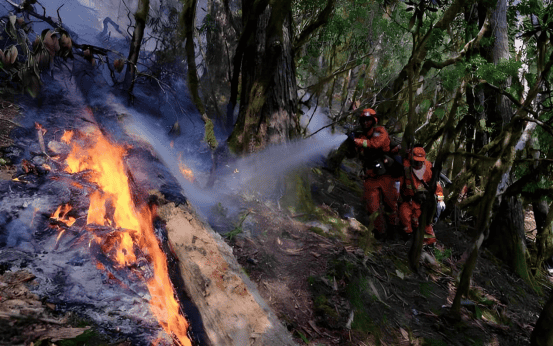
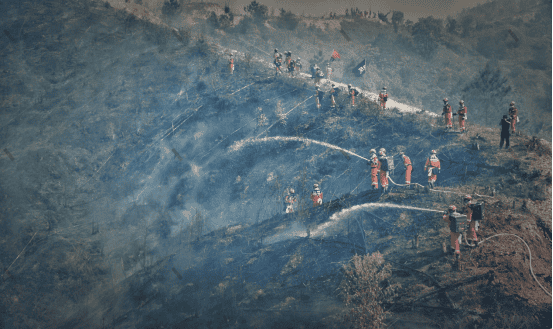
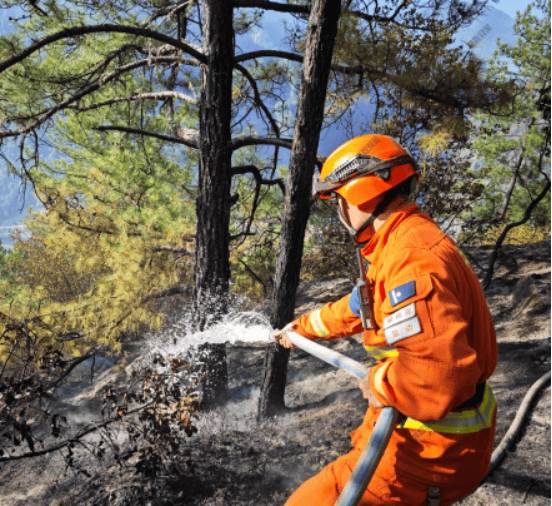
Portable fire pumps are carried by field firefighting teams, enabling rapid replenishment from natural water sources at the fire perimeter. Through flexible deployment, they deliver concentrated suppression to localized hotspots. With lightweight design and rapid startup response, these units effectively complement helicopter and fire truck operations, significantly enhancing the efficiency and success rate of initial forest fire containment. This case study demonstrates that the portable fire pump's flexible deployment capabilities enable outstanding performance in complex wilderness environments and critical emergency operations. Its irreplaceable role in emergency response has been fully validated, particularly in specialized scenarios such as forest fires.
V. Conclusion and Implications
Portable fire pumps have become critical equipment for controlling initial fires in firefighting and rescue operations due to their rapid response and efficient fire suppression capabilities. Their quick startup, stable water delivery, and high-pressure performance enable them to swiftly contain fires in their early stages, buying valuable time for rescue efforts.
Additionally, the device is designed to be lightweight and flexible, adapting to complex environments. Whether deployed in high-rise buildings, densely packed warehouses, or wildfire sites, it can be rapidly positioned to meet diverse firefighting demands. Furthermore, its user-friendly operation and portability not only reduce operational challenges for rescue teams but also facilitate seamless integration with other rescue equipment, forming an efficient fire suppression system. These advantages make it an indispensable, high-performance firefighting tool in modern fire and rescue operations.
These successful application cases demonstrate that portable fire pumps play a significant role in enhancing firefighting and rescue efficiency, reducing risks of casualties, and optimizing on-site operational procedures. In the future, with continuous technological advancements and the application of new materials, portable firefighting equipment will assume an increasingly critical role within the fire and rescue system, becoming essential gear for safeguarding public safety.