



The Function of Flood Control Levees
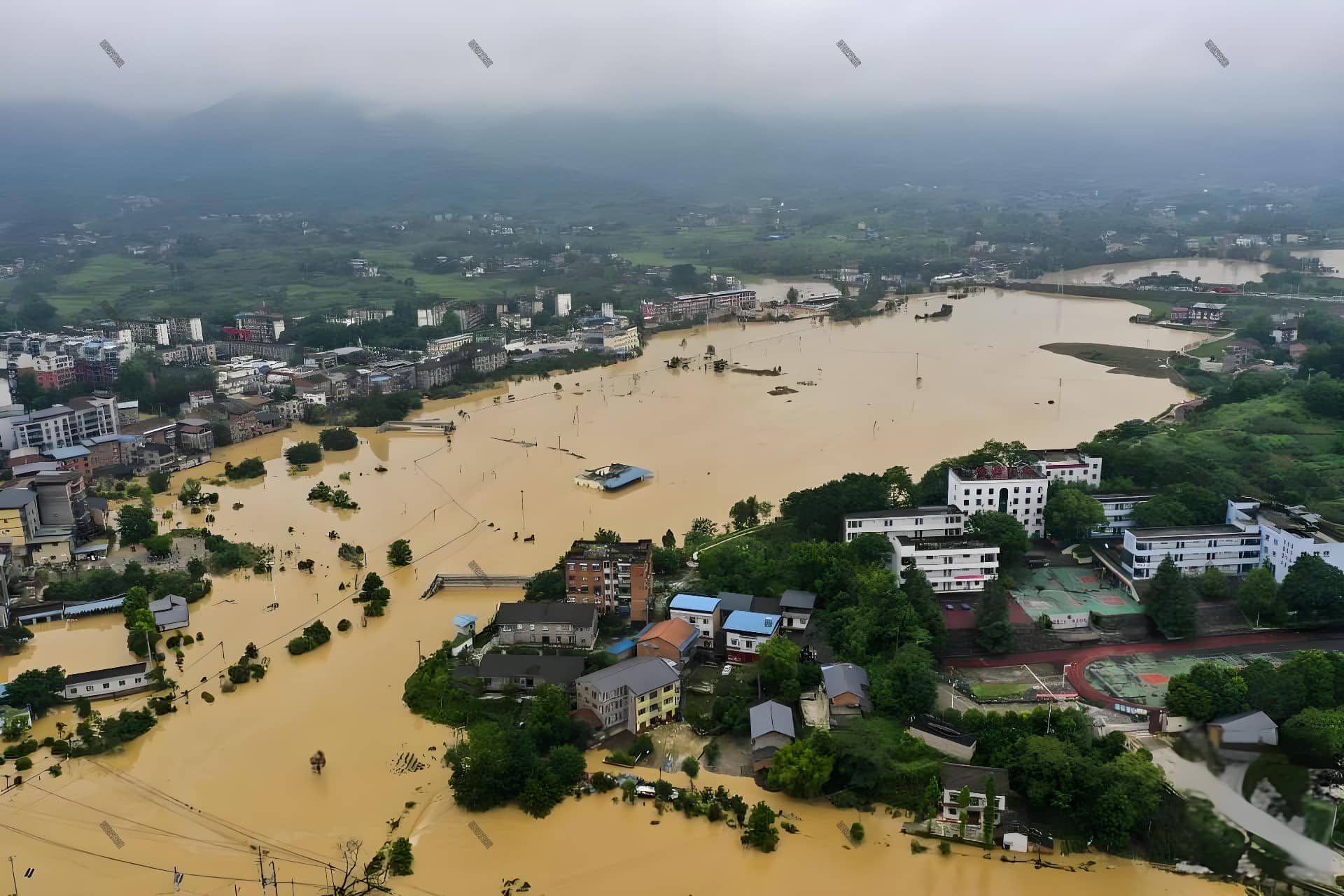
Floods inflict enormous economic damage on cities. They destroy roads, bridges, and buildings, leading to infrastructure paralysis and property loss. Floodwaters may also inundate farmland, destroying crops and disrupting agricultural production. Furthermore, floods can interrupt power and water supply systems, severely impacting factories and commercial activities, resulting in economic stagnation.
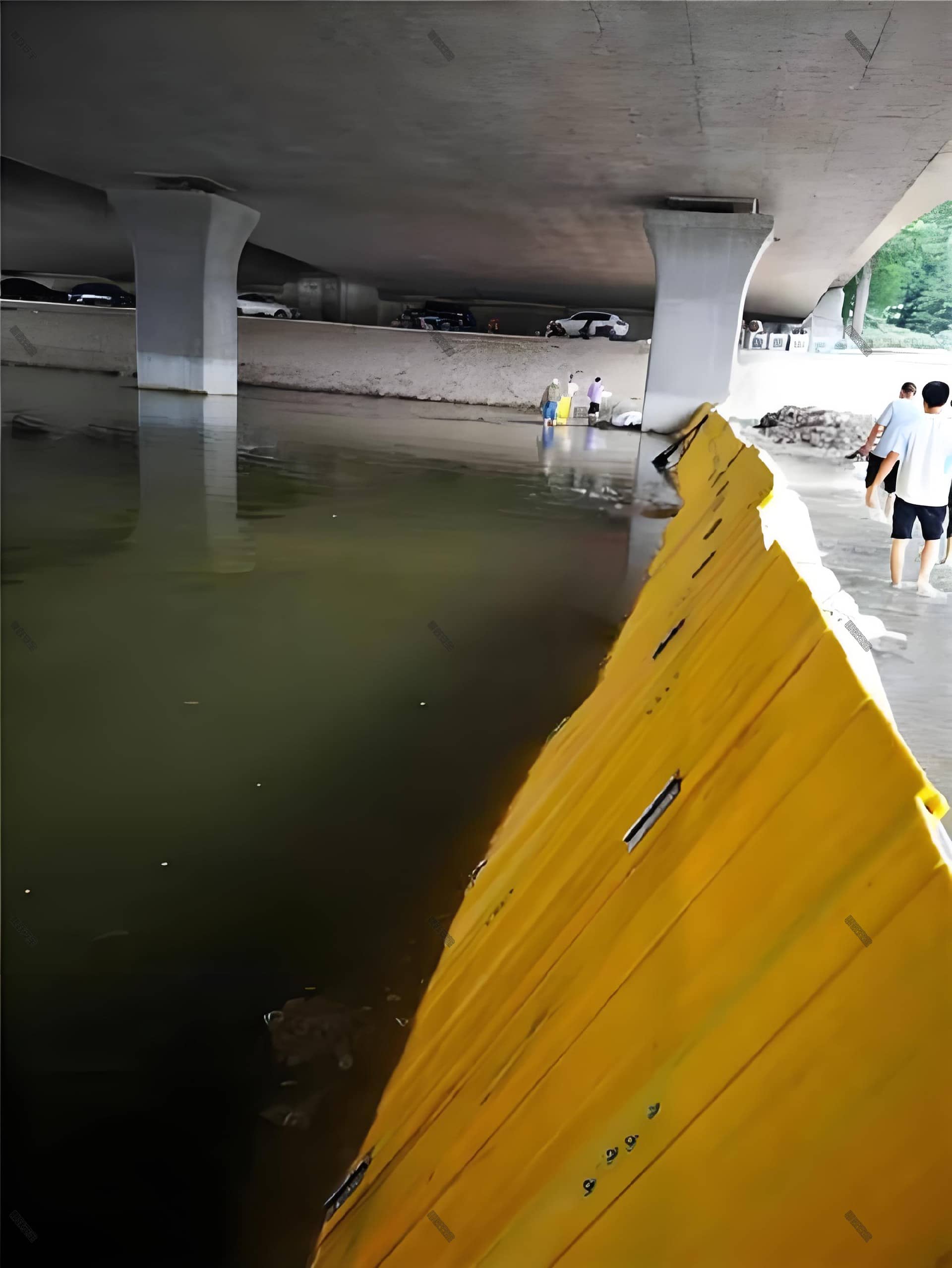
Flood Control Embankments Small-scale embankments constructed to enhance flood protection capabilities and safeguard specific areas or critical infrastructure. These structures serve as an additional defense line when floodwaters exceed the primary levee's design capacity, effectively mitigating the impact on downstream areas. They buy critical time for emergency response operations and minimize disaster-related losses.
Next, let's explore the role of flood control levees.
Enhance flood control capabilities
Flood control sub-levers serve as a secondary line of defense constructed outside the main levee, primarily enhancing the overall protective capacity of flood control embankments. When the main levee faces flood threats, sub-levers provide additional support and protection, reducing the risk of flood overtopping and levee breaches.
Disperse water flow pressure
Flood control sub-dikes can effectively distribute flood pressure away from the main dike, preventing it from bearing excessive water pressure during peak flood conditions and thereby reducing the risk of damage to the main dike.

Emergency Protection Function
During sudden floods, flood control levees can serve as temporary emergency protective structures, enabling rapid response and containment of floodwater spread. This provides downstream areas with additional time for emergency response, thereby mitigating disaster losses.
Protect the ecological environment
Flood control levees not only play a vital role in flood prevention but also help protect and restore the ecological environment along riverbanks. They control floodwater flow, reduce soil erosion, and prevent bank erosion, thereby safeguarding natural ecosystems.
Extend the lifespan of levees
The construction of flood-control sub-embankments effectively shields the main embankment from direct flood impacts, reduces maintenance and repair costs for the main embankment, extends its service life, and enhances the overall reliability of the flood-control system.
Overall, flood control levees are an indispensable component of flood prevention projects. They enhance the stability and reliability of flood control systems, protect lives and property, and simultaneously support the preservation of the ecological environment.