


Sealed Waste Collection Bags: The Invisible Guardians of Our Environment
In scenarios involving sudden natural disasters, public health emergencies, field operations, and portable toilet applications, the temporary collection and treatment of sewage and waste becomes a critical step in preventing environmental pollution and disease transmission. Traditional treatment methods suffer from issues such as overflow, odor leakage, and secondary contamination.
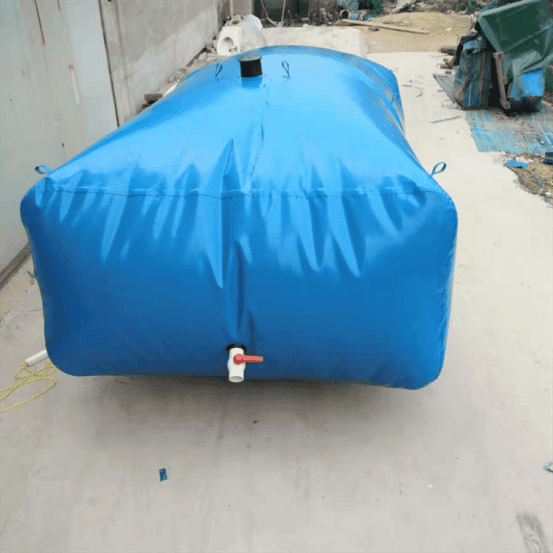
Sealed waste collection bags are bag-shaped containers designed to collect and store waste materials such as sewage, sludge, and wastewater. Typically constructed from corrosion-resistant, pressure-resistant, and wear-resistant materials, they offer excellent sealing performance and load-bearing capacity. These bags find extensive application in scenarios including emergency rescue operations, mobile sanitation facilities, field medical units, outdoor camping, and epidemic isolation points.
When in use, place the sealed waste collection bag at the source of wastewater generation. Wastewater flows into the bag through the inlet valve. The internal specialized structure and valve design ensure sealed storage of wastewater, preventing leakage. Some waste collection bags feature filtration capabilities, trapping impurities to purify wastewater and facilitate subsequent treatment.
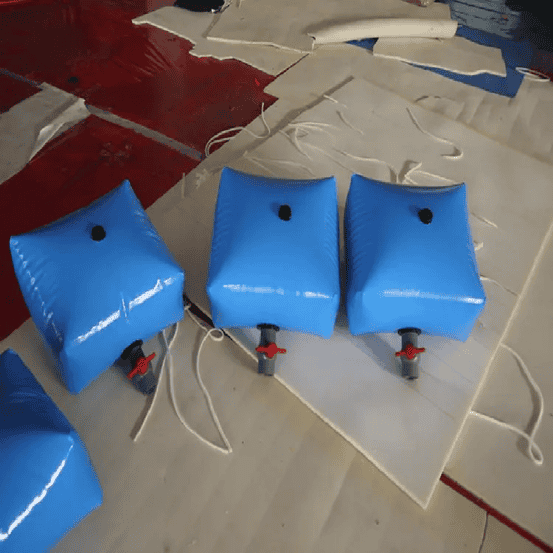
Sealed waste collection bags are typically made of corrosion-resistant materials such as PVC, offering chemical and oil resistance. Their temperature tolerance generally ranges from -40°C to 60°C. Accessories include inlet valves, outlet valves, and some models also feature vent valves and float rings. These collection bags offer advantages such as lightweight construction, easy folding, corrosion resistance, wear resistance, extended service life, and simple maintenance.
At flood disaster sites, sealed waste collection bags were extensively deployed across affected areas to gather contaminated rainwater and sewage. This effectively prevented the spread of wastewater across surfaces, reduced environmental pollution risks, safeguarded the health and safety of affected residents and rescue personnel, facilitated subsequent centralized wastewater treatment, and laid the groundwork for post-disaster reconstruction and environmental restoration.
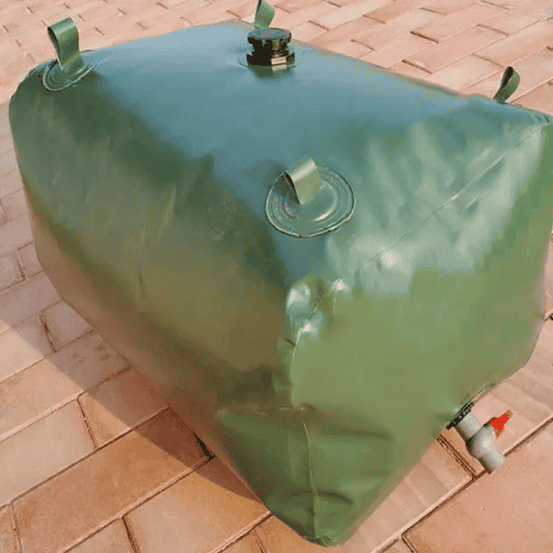
Sealed waste collection bags effectively prevent the spread of contamination from wastewater, sludge, and other waste materials, minimizing environmental impact. In emergency response and wastewater management scenarios, they enable rapid collection and secure storage of hazardous liquids, preventing pollution from spreading, safeguarding both the environment and human safety, and buying valuable time for subsequent treatment.