


Underwater Robots: Intelligent Guardians for Aquatic Safety
With the advancement of urbanization and tourism, safety risks in aquatic environments have become increasingly prominent, with incidents such as drowning accidents, underwater structure inspections, and water pollution incidents occurring frequently. Traditional water rescue methods are often constrained by visibility, depth, and risk factors, making it difficult to ensure both efficiency and safety.

The expansion of urban water bodies has increased safety risks, placing higher demands on water safety safeguards and rescue capabilities. Rising public expectations for life safety protection are driving rescue equipment toward greater intelligence and efficiency. Underwater robots can swiftly gather information and execute rescue missions in complex aquatic environments, meeting the need for rapid response and precision rescue in water-based operations.
Underwater robots can perform extended operations in hazardous, contaminated, or zero-visibility water environments, replacing human workers to reduce risks for rescue personnel while enhancing rescue efficiency and accuracy. They provide high-quality, highly reliable technological support for decision-makers and rescue teams, thereby improving aquatic rescue capabilities and emergency management standards.
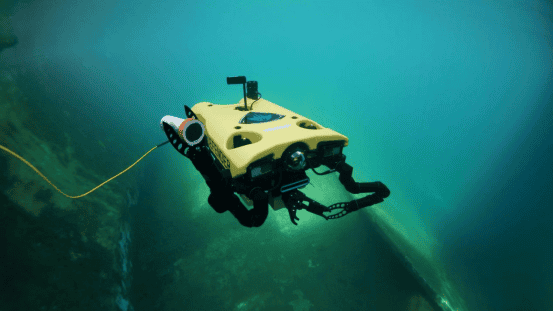
Underwater robots equipped with detection devices, inspection equipment, and salvage tools submerge into accident waters to survey the underwater environment and gather target object information. They then use specialized tools to transport the target objects to designated surface areas for recovery by salvage personnel.
A person drowned and went missing in an urban river, prompting rescue personnel to urgently deploy an underwater robot for the search. The robot swiftly scanned a large water area, precisely pinpointed the drowning victim's location, and guided divers to quickly recover the individual, saving their life.
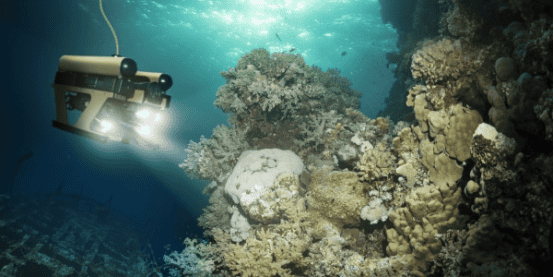
Underwater robots can perform extended operations in hazardous, polluted, or zero-visibility water environments, replacing human workers to reduce risks for rescue personnel while enhancing rescue efficiency and accuracy. They provide high-quality, highly reliable technological support for decision-makers and rescue teams, thereby improving aquatic rescue capabilities and emergency management standards.。
Underwater robots, as advanced underwater rescue equipment, hold broad application prospects and tremendous development potential. Their role in water rescue and safety assurance is becoming increasingly prominent. With continuous technological advancements and expanding application domains, underwater robots will provide more robust support for water rescue operations.