


Underwater Propulsion System: The Powerhouse for Exploring the Depths
The efficiency of water rescue and underwater operations directly impacts both life safety and resource development efficiency. Traditional rescue tools rely on manual operation, facing limitations such as slow response times, high physical exertion, and poor environmental adaptability. Its15-second rapid response capability and 6.5kg thrust enable swift penetration through complex water environments, reducing rescuer fatigue and increasing drowning survivor rates by over 30%.
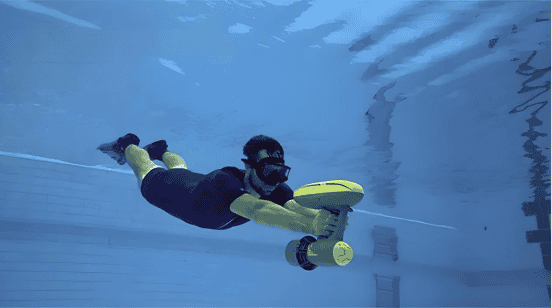
Underwater propulsion systems provide rescue personnel with powerful thrust, enabling rapid movement in complex underwater environments while conserving energy and enhancing rescue efficiency. Within the field of aquatic propulsion, these systems deliver reliable power support for various underwater equipment and vehicles, ensuring stable operation and agile maneuverability beneath the surface.
When the propulsion unit drives the propeller to rotate, the propeller displaces the surrounding water, generating forward thrust that propels the vessel. The motor within the propulsion unit drives the propeller through rotation, converting electrical energy into mechanical energy to produce thrust.
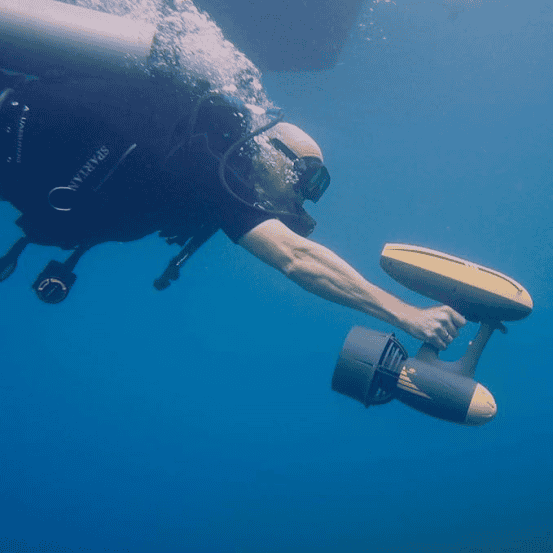
This device features a high-resolution 4K lens, supporting 120fps video recording and 16-megapixel photography. Its four thrusters and independent control system ensure stable underwater navigation. The removable battery design allows for replacement when depleted. It supports multiple experience modes, such as app operation, and can connect to VR headsets. In VR mode, the controller synchronizes with head movements, delivering a realistic immersive experience.
In the summer of 2024, a major flood struck a southern region. A rescue team deployed underwater propulsion devices to conduct nighttime personnel search and rescue operations. The propulsion devices enabled divers to swiftly traverse flooded streets and buildings, rescuing 17 trapped individuals within a limited timeframe. By integrating GPS modules with underwater camera systems, search efficiency increased by nearly 50%.
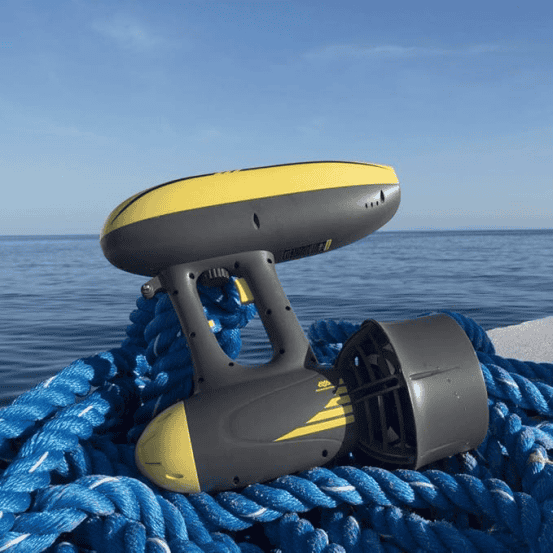
Thrusters offer significant advantages in water rescue operations. In swift currents, low visibility, or situations where human swimming is inefficient, thrusters can substantially enhance rescue response times, ensuring personnel safety and expanding the scope of rescue efforts. They can be integrated with flotation devices, stretchers, and remote-controlled life rings to enable coordinated surface and underwater rescue operations. Compared to traditional methods like swimming or paddling, thrusters significantly reduce physical exertion, alleviate fatigue, and facilitate extended mission durations.