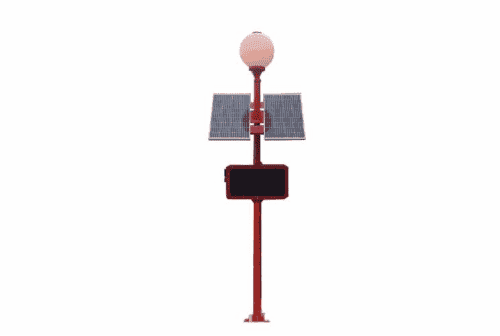
The Function of Typhoon Warning Publicity Signal Poles
Typhoon warning signal poles deliver timely typhoon alerts through prominent signage and display devices. These include critical information such as typhoon intensity, projected path, and estimated landfall time, enabling the public to swiftly grasp the latest developments and take prompt, effective countermeasures. They are typically installed in locations easily visible to citizens and pedestrians, such as parks, plazas, and streets.
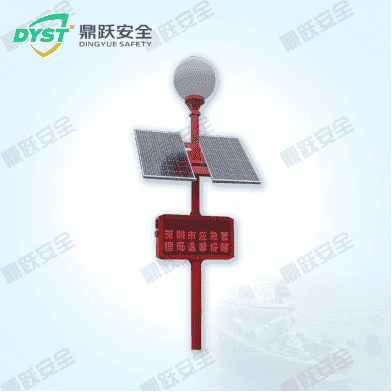
Primary function:
Delivering Warning Information: Typhoon warning signal poles can convey typhoon alerts through displays, lights, and audible alerts, including the typhoon's intensity, direction, and affected areas. This enables people to promptly understand the approaching typhoon and take relevant protective measures.
Monitoring and Surveillance: Enables real-time monitoring of equipment status and environmental data to ensure normal operation and promptly detect anomalies. All functions, information, management, and control capabilities are integrated into a remote cloud terminal, facilitating remote management and monitoring of equipment. This enhances the efficiency and timeliness of emergency response management.
Solar Power Supply System: The solar power supply system enables equipment to operate normally without an external power source, enhancing both equipment reliability and environmental sustainability.
Raising Awareness: The presence of typhoon warning publicity poles enhances public awareness of natural disasters like typhoons, encouraging greater vigilance and preparedness. These poles also serve as seasonal reminders, disseminating relevant safety knowledge and precautions—such as electrical safety and fire prevention—to the public.
Enhancing Community Safety: Installing these signal poles can strengthen overall community safety and reduce risks that may cause casualties and property damage.
Typhoon warning publicity signal poles can effectively disseminate preventive information during natural disasters, comprehensively enhance disaster warning and emergency response capabilities, improve disaster management efficiency, safeguard people's lives and property, and maintain social order and stability.