


Diving Decompression Chamber: The "Life Support Chamber" for Water Rescue Operations
As deep-sea resource development, underwater rescue operations, and scientific exploration advance, the safety risks associated with diving operations have become increasingly prominent. Decompression sickness (DCS), one of the primary threats in diving activities, can cause joint pain, neurological damage, and even death.
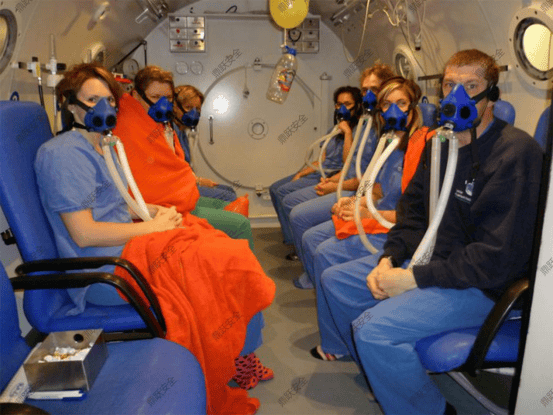
In high-pressure environments such as deep-sea oil drilling and submarine cable laying, divers must remain submerged for extended periods. Improper decompression procedures increase the risk of decompression sickness. At depths exceeding 40 meters, decompression times may multiply significantly. Special forces underwater operations demand rapid response, making portable, efficient decompression chambers critical.
The decompression chamber simulates a diver's ascent to help expel dissolved inert gases. During deep dives, inert gases dissolve into the blood and tissues under high pressure. Rapid ascent causes a sudden drop in pressure, forcing the gases to release rapidly and form bubbles, leading to decompression sickness. Based on Henry's Law, the decompression chamber gradually reduces internal pressure, allowing gases to be slowly expelled to prevent or treat decompression sickness.
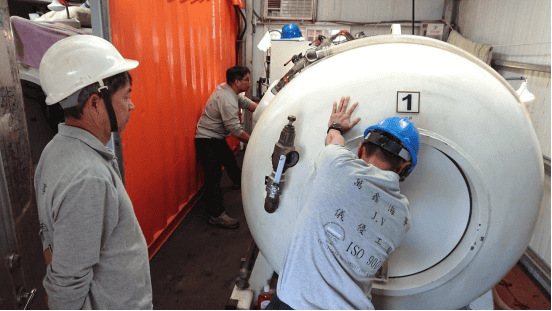
This diving decompression chamber utilizes air pressurization, with customizable capacity to accommodate various environments, including deep-diving vessel decks, ship compartments, and nearshore locations. Featuring a containerized design with versatile accessories and flexible capacity configurations, it meets diverse operational requirements.
On April 26, 2023, the Light Diving Unit of the Water Rescue Specialized Team under the Yichang Municipal Fire and Rescue Detachment commissioned its first box-type diving decompression chamber. Capable of simulating depths up to 70 meters, this dual-occupant chamber supports simultaneous diver training with high safety margins and precise data analysis. In practical operations, the chamber provides divers with a secure and efficient decompression environment, significantly mitigating safety risks associated with environmental pressure differentials, low temperatures, or poor visibility during underwater missions. This ensures stable physiological functions for divers throughout operations.
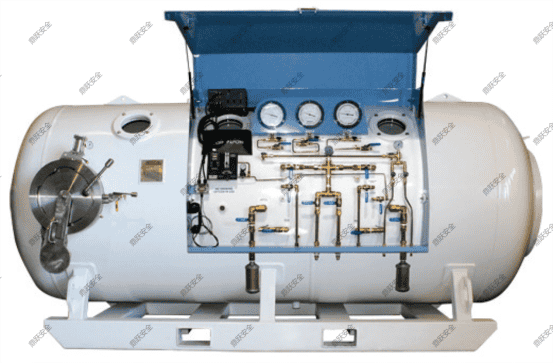
Decompression chambers effectively prevent decompression sickness caused by rapid ascent, safeguarding divers' lives. During deep-sea operations, they assist divers in rapid decompression, enhancing operational efficiency. For water rescue personnel, they facilitate swift recovery, enabling sustained rescue efforts. As core equipment for aquatic safety, they significantly elevate the safety and reliability of diving operations.