


Amphibious Expedition: The Adventure of the Amphibious Vehicle
In today's world of frequent natural disasters, traditional rescue equipment often falls short when confronting complex environments. Whether dealing with urban flooding, mountain landslides, snowstorms, or swampy terrain, conventional vehicles struggle to navigate obstructed roads, delaying critical rescue efforts. To address this challenge, amphibious vehicles specifically engineered for disaster relief have emerged. Capable of traversing diverse terrains with ease, these vehicles boast high cruising speeds and robust load-carrying capacity. They enable rapid deployment for rescue operations, establishing themselves as a vital new force in disaster response.
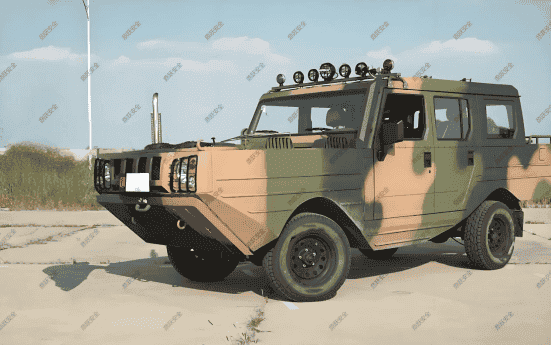
Amphibious vehicles can seamlessly transition between water and land environments, navigating deep water, muddy swamps, or flood-submerged city streets with ease. This capability enables them to rapidly reach disaster zones and initiate rescue operations regardless of how treacherous the road conditions may be following a catastrophe.
Its cruising speed on land can reach90 km/h, while its cruising speed in water is 12 km/h. Constructed from high-strength materials, it offers exceptional durability and corrosion resistance, capable of withstanding extreme weather and environmental conditions. Its flexible design ensures rescue teams can reach disaster sites in the shortest possible time, minimizing rescue delays and enhancing overall efficiency, thereby further improving its applicability across various disaster scenarios.
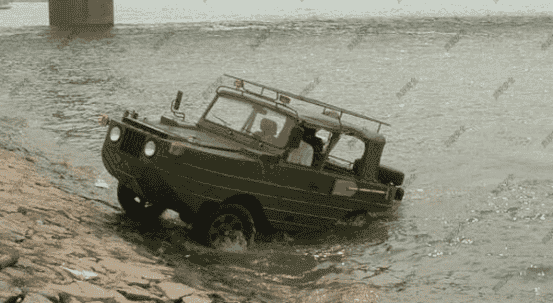
During a sudden flood disaster, traditional rescue equipment was unable to access the hardest-hit areas due to submerged roads. Local rescue teams swiftly deployed amphibious vehicles. This equipment not only successfully traversed floodwaters up to 1.5 meters deep but also smoothly transported relief supplies and rescue personnel. At the most critical moment, the amphibious vehicles became the only means of transportation capable of reaching the affected villages, successfully evacuating hundreds of trapped residents and buying precious time for the rescue operation.
Amphibious vehicles have demonstrated exceptional performance in complex and dynamic disaster scenarios. Their water-land capabilities, high-speed cruising, robust load-carrying capacity, and search-and-rescue capabilities not only enhance rescue efficiency but have also saved countless lives in disaster response operations.