


Assault Boat: The Waterborne Vanguard of Emergency Rescue | Dingyue Safety
In today's world of frequent natural disasters, rapid and effective rescue equipment is crucial when confronting sudden emergencies such as floods and maritime distress. As a vital tool in emergency response, the assault boat has become indispensable to rescue teams due to its superior performance and versatility, playing a significant role in safeguarding people's lives and property.
The assault boat is equipped with a powerful propulsion system, enabling it to navigate complex waterways at speeds of up to 30 kilometers per hour. Whether traversing turbulent rivers or flood-submerged urban roads, the assault boat can swiftly maneuver through challenging environments, buying critical time for emergency rescue operations. Its speed advantage allows rescue personnel to reach disaster sites rapidly, enabling immediate deployment of rescue efforts and significantly enhancing overall rescue efficiency.
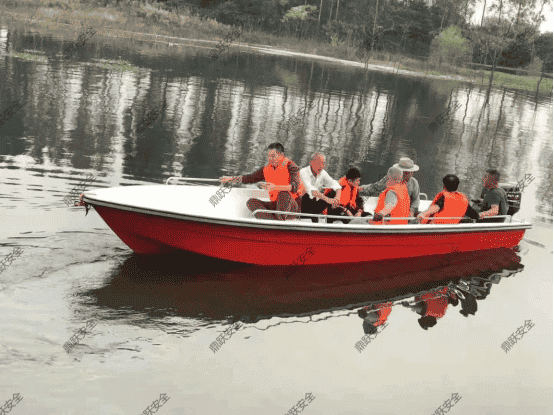
The assault boat is designed for high load capacity, accommodating eight rescue personnel and carrying approximately 1,300 kilograms of relief supplies. Whether rescuing trapped individuals or transporting medical equipment, food, and drinking water, the assault boat provides robust support for rescue missions, enabling rescue teams to accomplish more tasks in a single operation.
During the 2022 southern floods, a local rescue team swiftly deployed inflatable boats to rescue over a hundred villagers trapped by floodwaters. With roads submerged and traditional vehicles unable to access the disaster area, the team rapidly mobilized the inflatable boats. Navigating efficiently through complex waterways, they successfully evacuated the stranded residents to safety.
As a critical tool in emergency rescue operations, assault boats play a vital role in relief efforts worldwide. In responding to the challenges posed by natural disasters, they enhance the efficiency of rescue personnel, facilitate the transport of essential supplies to trapped populations, and safeguard the lives and property of affected communities.