


Amphibious Vehicle: A Versatile Workhorse for Exploration and Rescue
In the event of natural disasters such as floods and tsunamis, land transportation is often disrupted, and the diversity of natural environments places higher demands on transportation vehicles. In certain regions, vast bodies of water—including rivers, lakes, and oceans—intertwine with complex land topography, making it difficult for conventional vehicles to navigate these varied terrain challenges.
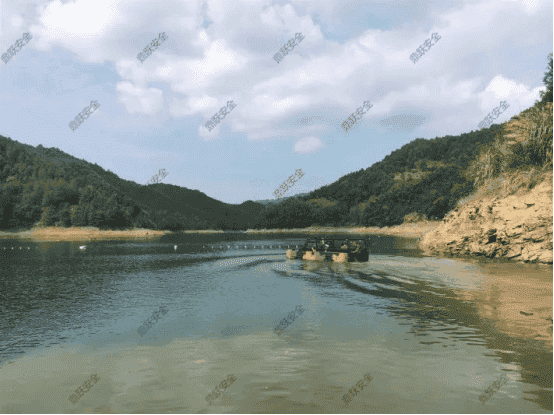
The advent of amphibious vehicles has overcome terrain limitations, enabling exploration, scientific research, and specialized engineering operations to seamlessly transition between land and water. This mode of transportation not only expands possibilities for venturing into uncharted territories but also significantly enhances operational efficiency and safety.
Amphibious vehicles, with their ability to traverse both water and land with ease, have become powerful tools in rescue operations. They can swiftly cross waterways to reach trapped individuals, buying precious time for rescue efforts. Furthermore, in remote mountainous regions, islands, and other challenging terrains, these vehicles overcome geographical obstacles, significantly enhancing rescue efficiency and emerging as a vital force in emergency response.
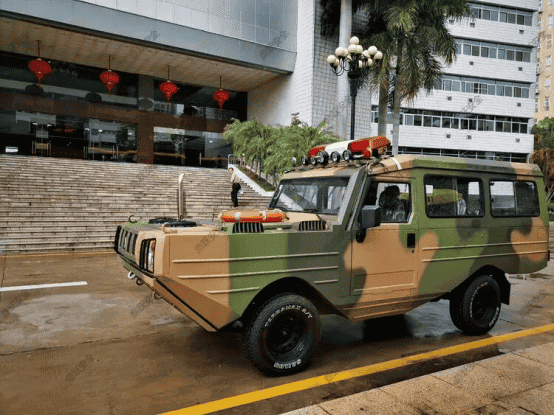
The amphibious vehicle boasts a land cruising speed of 90 km/h and a water cruising speed of 12 km/h, enabling seamless transitions between land and water to adapt to diverse terrain and aquatic conditions, meeting various exploration and operational demands. It features excellent maneuverability and stability, allowing for rapid travel and agile steering to ensure swift arrival at destinations during rescue operations.
Amphibious vehicles, as versatile transportation solutions for complex terrain and aquatic environments, demonstrate exceptional performance not only in natural exploration and scientific research but also play a critical role in emergency rescue operations. With their robust adaptability, mobility, and safety features, amphibious vehicles have become essential equipment in rescue missions.