


Loader: A Versatile Workhorse in Construction and Disaster Relief
In this era of accelerating urbanization and economic boom, infrastructure projects are springing up like mushrooms. Roads extend ever further, bridges span mountains, rivers, and seas, and skyscrapers rise from the ground. Behind these projects lies extensive earthmoving work. Tasks like excavating soil, transporting building materials, and leveling sites for backfilling are both demanding and urgent. Loaders play a crucial role in this process. With their high-efficiency capabilities, they swiftly complete various tasks, effectively ensuring the progress of construction projects.
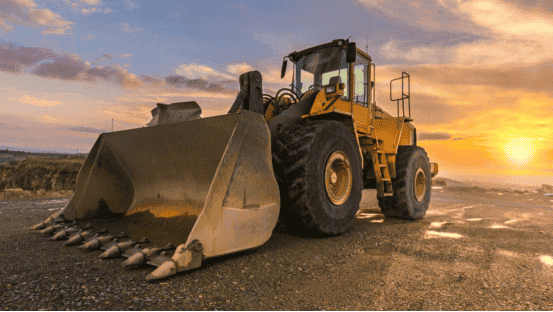
When disaster strikes unexpectedly, loaders transform into steadfast guardians, playing an irreplaceable role on the front lines of rescue operations. In towns ravaged by earthquakes, villages devastated by floods, and roads scarred by landslides, the massive, powerful frames of loaders are always hard at work. Facing devastated disaster zones, loaders harness their immense power to clear debris, rubble, bricks, and various obstructions from the ruins, carving out lifelines for subsequent rescue teams. Ambulances gain unimpeded access, enabling rescue personnel to swiftly reach critical areas and significantly enhance rescue efficiency.
The loader's formidable load-bearing capacity truly shines during rescue operations. Whether handling heavy concrete blocks, massive boulders, or sturdy metal structures, it moves them with ease. In transporting relief supplies, loaders also play an indispensable role. Following disasters, when transportation routes are blocked and supplies are scarce, loaders can overcome difficult terrain to swiftly deliver urgently needed food, clean drinking water, and critical medical supplies to affected areas, bringing timely hope for survival to those in need.
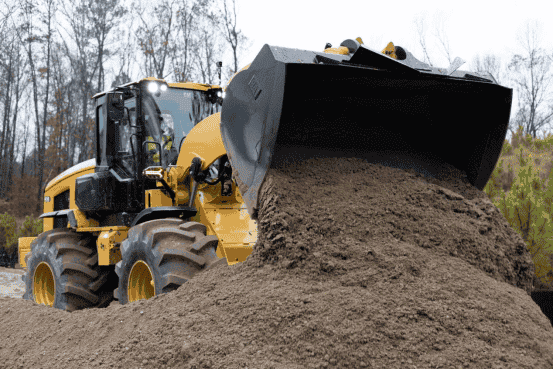
LoaderDY-KHE-ZZJFrom clearing debris to opening pathways, from moving heavy loads to transporting supplies, and even assisting in excavation and rescue operations, loaders have become one of the most indispensable tools for disaster relief workers. With their formidable mechanical strength, adaptability to diverse complex tasks, and high operational efficiency, they not only accelerate rescue operations but also lay a solid foundation for subsequent post-disaster reconstruction. They have made significant contributions in the fight against natural disasters and in urban development.