


Rapid Caisson for Dam Breach: A Resilient Barrier Against Flooding
During the rainy season, torrential rains converge, causing rivers to surge like raging torrents. The relentless pounding of swift currents subjects embankments to immense pressure. Should a breach occur, floodwaters will surge toward both banks like a runaway horse. This not only poses a severe threat to the lives of residents along the banks—floodwaters can claim lives in an instant—but also devastates their homes. Houses may be swept away or submerged, and possessions destroyed.
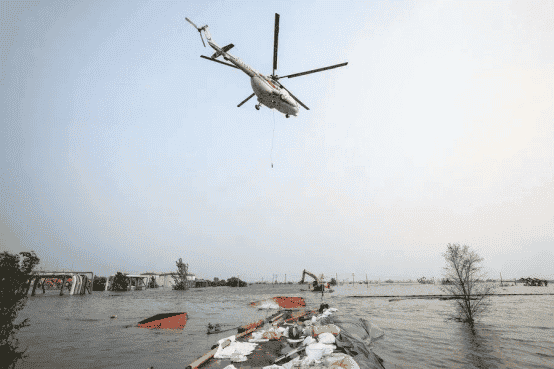
Rapid-Deployment Caissons for Breached Dams are specialized equipment designed for swift deployment at dam breaches. Constructed from high-strength materials, these caissons feature robust structural integrity with superior waterproofing and impact resistance. Compared to traditional breach-sealing methods, rapid caissons can be swiftly installed at breach sites to immediately halt water flow and prevent further flood propagation.
After submerging, the caisson rapidly fills with water and sinks under its own weight, positioning itself either at the center or upstream of the breach. Once submerged, the caisson effectively blocks the flow, mitigating direct erosion of the breach by the water current and preventing further enlargement of the breach. The powerful impact of the water flow causes continuous damage to the surrounding embankment structures. The caisson's barrier function mitigates this damage, buying valuable time and providing a stable working environment for subsequent sealing operations.
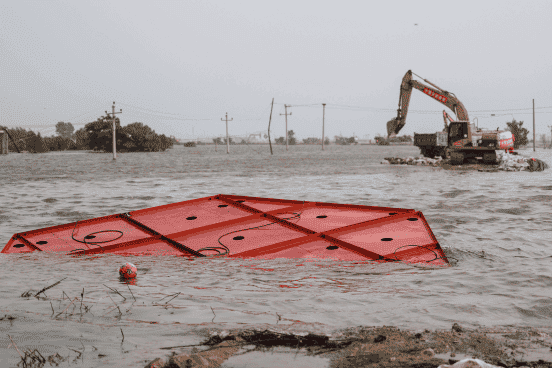
Caissons possess substantial weight and volume, enabling them to maintain excellent stability underwater. Compared to other temporary sealing materials, caissons provide stronger support and impact resistance for the entire sealing structure, ensuring the smooth execution of sealing operations and the long-term effectiveness of the seal.
DY-KHE-KCX Rapid Caisson for Dam Breach ClosureIt promptly blocks floodwaters, reducing the likelihood of instantaneous inundation of residential areas on both banks. This provides residents with more time to evacuate and seek shelter, thereby minimizing casualties directly caused by flooding.