



Comprehensively Enhance Disaster Prevention and Mitigation Capabilities: Build a Coordinated and Eff
In an era marked by frequent natural disasters and emergencies, enhancing disaster prevention, mitigation, and relief capabilities has become a shared global challenge. To address this challenge, a comprehensive solution driven by technology and integrating prevention, mitigation, and relief aims to empower governments and enterprises to establish a coordinated and efficient "comprehensive emergency management" system, thereby significantly improving their capacity to respond to natural disasters and emergencies.
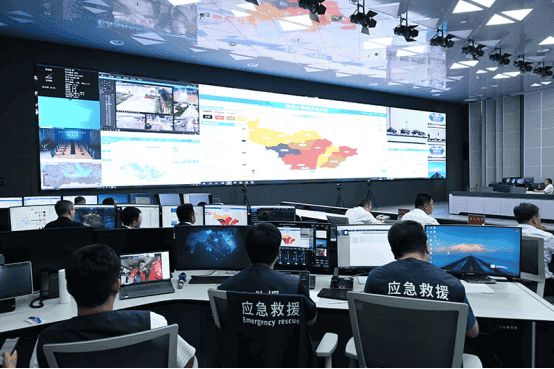
I. Prevention Takes Precedence Over Treatment——Establishing an Early Warning System
1. Risk Assessment and Management: Utilizing technologies such as big data and cloud computing to analyze historical disaster data, identify high-risk areas and potential risk factors, and achieve preemptive assessment and management of disaster risks.
2. Intelligent Early Warning Technology: Deploying advanced technologies such as IoT sensors and the BeiDou Navigation System to enable real-time monitoring and early warning for natural disasters including earthquakes, floods, and typhoons.
3. Public Education and Training: Utilizing a combination of online and offline methods to train the public in disaster prevention knowledge and emergency response capabilities, thereby enhancing society's overall disaster preparedness awareness.
II. Rapid Response, Strong Resistance—Establishing a Rapid Response Mechanism
1. Emergency Command Platform: Establish an integrated emergency command platform combining real-time communication, resource allocation, and information sharing to ensure rapid response and unified command across all departments during disasters.
2. Emergency Rescue Team Development: Cultivate and train specialized, highly efficient emergency rescue teams equipped with advanced rescue equipment to ensure swift and effective deployment of rescue operations during disasters.
3. Emergency Supply Storage and Management: Establish emergency supply depots at critical locations and utilize information systems for dynamic management to ensure timely replenishment and allocation of supplies.
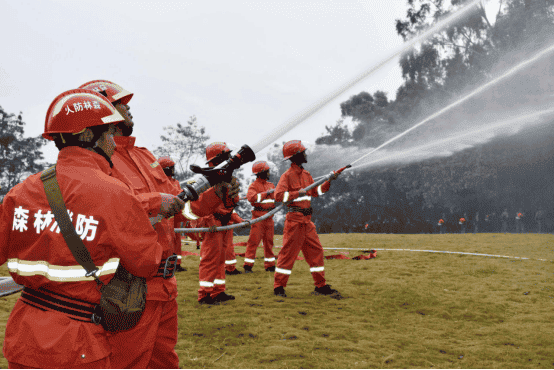
III. Rapid Post-Disaster Recovery—Establishing a Comprehensive Disaster Relief System
1. Post-Disaster Assessment and Analysis: Utilizing remote sensing technology, drone aerial photography, and other methods to conduct rapid assessments of post-disaster conditions, providing decision support for relief operations.
2. Psychological Support and Rehabilitation: Providing mental health counseling and support to disaster-affected communities to help them overcome psychological trauma and resume normal life.
3. Infrastructure Restoration: Rapidly mobilize resources to repair damaged infrastructure such as transportation, communications, water supply, and power systems, accelerating the restoration of normal social order.
IV. Empowered by Technology, Building a Comprehensive Emergency Response Framework
1. Information Sharing and Collaboration: Break down information barriers between departments to enable cross-departmental and cross-regional sharing of emergency resources and information, thereby enhancing overall collaborative efficiency.
2. Research and Development of Smart Emergency Response Technologies: Continuously invest in R&D funding to advance the application and innovation of cutting-edge technologies such as artificial intelligence, big data, and cloud computing in the field of emergency management.
3. International Cooperation and Exchange: Strengthen collaboration and exchange with other countries and international organizations in the field of disaster prevention and mitigation, share experiences and technologies, and jointly enhance global disaster response capabilities.
In the face of increasingly complex and unpredictable natural disasters and emergencies, we must continuously innovate and refine our disaster prevention, response, and relief systems to establish a coordinated and efficient "comprehensive emergency management" model. Through multifaceted efforts—including improving institutional mechanisms, strengthening grassroots foundations, enhancing fire safety management, and reinforcing support measures—we will steadily elevate our capabilities in disaster prevention, relief, and mitigation, thereby providing robust safeguards for the lives and property of our people.