



How to Address Water Safety Issues
With the arrival of the flood season, water safety becomes particularly critical. To ensure the safety of ourselves and others, we need to master some fundamental safety knowledge and response strategies. Here are some water safety tips to learn with Dingyue Safety:
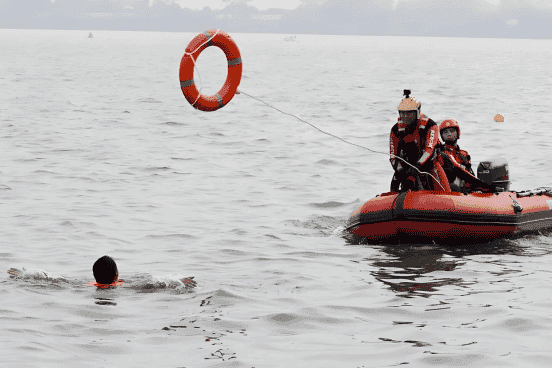
Learning to swim: Learning to swim is a fundamental requirement for protecting your safety in aquatic environments. Mastering basic swimming skills can help you feel more confident and secure in the water.
Wear a life jacket: When engaging in water activities, especially in unfamiliar or potentially hazardous waters, ensure you wear a life jacket. A life jacket provides additional buoyancy to help you stay afloat and offers support when needed.
Follow signs and warnings: In water areas, especially at public locations like beaches, swimming pools, or lakes, following signs and warnings is crucial. These signs and warnings typically indicate hazardous zones, prohibited activities, or other important information.
Supervising Children: If children are in the water, ensure they are properly supervised. Even if they can swim, remain vigilant at all times, as accidents often happen unexpectedly.
Learning First Aid Knowledge: Acquiring basic first aid knowledge is crucial. In the event of an accident, being able to respond quickly and correctly can save lives.
Avoid Alcohol: Refrain from drinking alcohol during water activities. Alcohol impairs reaction time and judgment, increasing the risk of accidents.
Pay attention to weather conditions: Before engaging in water activities, check the weather forecast and water conditions. Avoid activities during severe weather or unfavorable water conditions.
Learning Water Safety Skills: If you frequently participate in water activities such as boating or surfing, acquiring the necessary water safety skills is crucial. This includes learning how to properly use equipment and respond to emergencies.
Do not carry valuables: When engaging in water activities, avoid carrying valuables whenever possible, especially in rivers or oceans, to prevent accidental loss or damage.
Avoid solitary activities: Whenever possible, avoid engaging in water activities alone, especially in remote or unfamiliar locations. Participating with others provides additional safety and support.
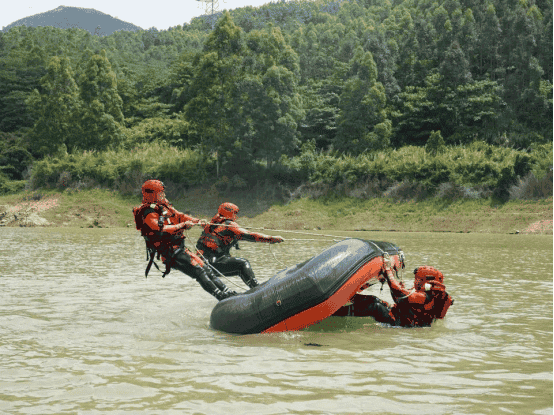
Water safety incidents occur annually, posing risks to people's lives and property. Beyond individuals increasing their awareness of water safety, governments and water management authorities should establish corresponding early warning management systems to safeguard public safety.