



Emergency Life-Saving Cases
As society continues to age and the pace of life accelerates, both the elderly and younger generations may increasingly encounter emergency situations requiring immediate medical attention. Against this backdrop, mastering basic emergency first aid knowledge has become crucial for everyone. Below, we will learn and master key emergency first aid techniques to enable swift and effective intervention during critical moments, safeguarding lives.
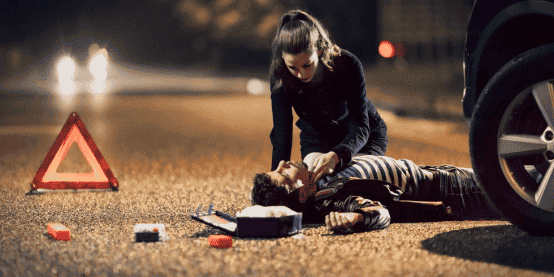
Below are common first aid procedures:
Ensure Safety: Before taking any action, ensure the safety of yourself and the injured person. If the scene is unsafe, wait for professional emergency responders to arrive.
Call emergency services: Immediately dial your local emergency number (such as 911) to report the situation to the emergency dispatch center and request that professional medical personnel arrive at the scene as soon as possible.
Assessing the Situation: Quickly assess the injured person's condition by checking their consciousness and breathing. Gently shake the injured person and call out loudly to observe if they are breathing.
Maintain airway patency: Ensure the patient's airway remains clear. If obstructed by vomit or foreign objects, promptly clear the obstruction. Measures such as positioning the patient in the lateral recumbent position or performing the head-tilt method can be employed to maintain unobstructed breathing.
Perform CPR: If the victim is not breathing, immediately begin cardiopulmonary resuscitation (CPR). Lay the victim flat on a firm surface, master the correct CPR technique, and administer rescue breaths at a ratio of 30 chest compressions to 2 breaths. Continue CPR until emergency responders arrive or the victim begins breathing on their own.
Hemostasis: If the injured person is bleeding heavily, stop the bleeding as quickly as possible. Apply direct pressure to the wound using clean gauze or clothing, and elevate the injured area to help reduce blood loss. Avoid moving the fractured area to prevent worsening the injury.
Immobilize the Fractured Area: If the patient has a fracture, use splints, bandages, or similar items to immobilize the fractured area and prevent further injury.
Keep the injured person comfortable: While waiting for rescue personnel to arrive, keep the injured person comfortable, maintain normal body temperature, and provide psychological support.
Wait for professional medical personnel to arrive: While performing emergency first aid, maintain contact with the emergency dispatch center to provide updates on the patient's condition and progress, enabling professional medical personnel to arrive at the scene as quickly as possible to provide treatment.
Receive Training: Undergo regular first aid training to become familiar with first aid techniques and procedures, enabling swift and effective action during emergencies.
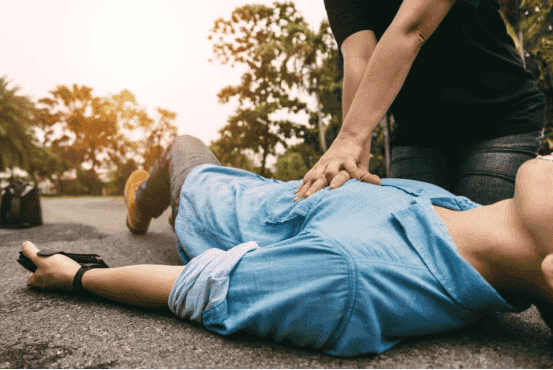
In emergencies, maintaining a clear mind is crucial, and learning emergency first aid knowledge is key to enhancing your ability to respond. By mastering basic first aid skills, we can handle unexpected situations with greater composure and reduce panic. Dingyue Safety reminds everyone that healthy lifestyle habits also significantly lower the likelihood of emergencies. Maintaining regular sleep patterns, balanced nutrition, and moderate exercise helps improve physical fitness and resilience. Therefore, we should prioritize learning emergency first aid and integrate it into our daily lives. Cherish life, prioritize safety, and work together to create a more harmonious society.