



Addressing Post-Disaster Livelihood Challenges: Essential Deployment of Emergency Power Vehicles, Ge
Natural disasters often deal heavy blows to people's livelihoods. Take floods as an example: floodwaters may destroy power facilities, causing widespread power outages, and may also completely disrupt the normal order of daily life. Furthermore, drinking water safety issues subsequently emerge, becoming a pressing and difficult problem for residents in disaster-stricken areas to resolve.
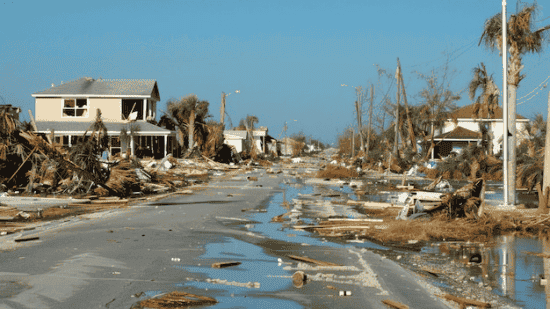
Therefore, it is particularly urgent to swiftly address fundamental livelihood issues such as power outages and drinking water shortages following disasters. Only by restoring power supply and ensuring safe drinking water can we meet the basic living needs of affected populations, stabilize social order, and lay a solid foundation for subsequent post-disaster reconstruction efforts.
So, how should solutions be formulated to ensure basic post-disaster livelihood requirements?
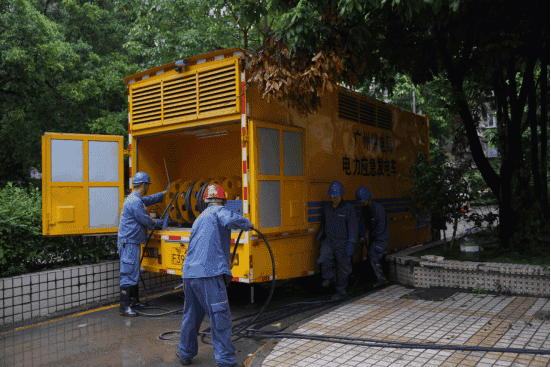
Emergency Power Vehicle: Capable of rapidly deploying to disaster sites to provide stable power supply, ensuring residents receive essential electricity for daily living needs. During rescue operations, it delivers lighting to the scene and supports various emergency equipment, ensuring smooth progress of relief efforts.
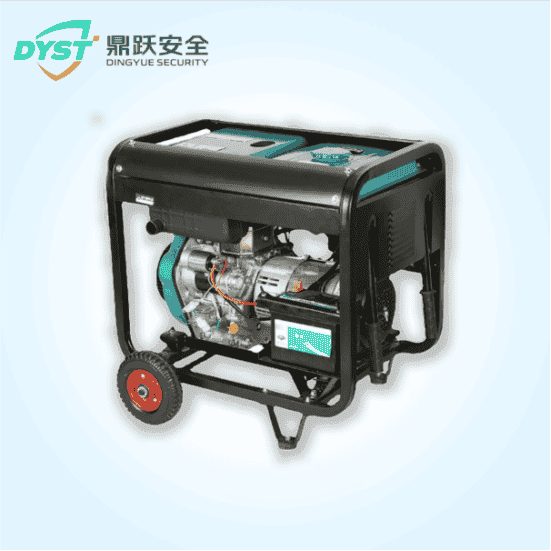
Generator: Capable of operating alongside emergency power vehicles to supply essential electricity to disaster-stricken areas, supporting critical institutions such as hospitals and emergency services while providing vital power for rescue and reconstruction efforts.
Water Purification Vehicle: Capable of reprocessing various domestic surface water, groundwater, and brackish water sources to meet basic domestic water standards, and even potable water standards. Whether dealing with high turbidity water, brackish water, algae-rich water, contaminated surface water, or low-temperature, low-turbidity water, the purification vehicle effectively treats all complex water conditions.
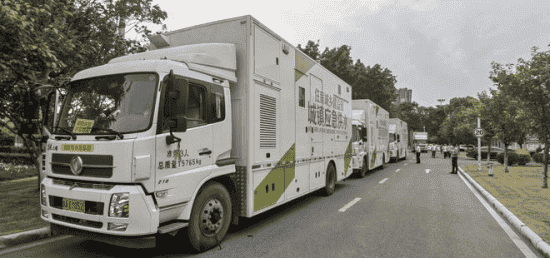
In post-disaster relief and reconstruction efforts, the integrated deployment of emergency power vehicles, generators, and water purification units is crucial. Working in concert, these three elements can collectively address critical livelihood challenges in the aftermath of disasters. They provide stable power supply and safe drinking water to affected populations, accelerating the pace of relief and reconstruction while restoring normal production and living conditions in disaster-stricken areas.