



Mobile Toilet Deployment: A Comprehensive Solution Addressing Disaster-Affected Populations' Sa
In disaster-stricken areas, meeting the basic living needs of the populace is of paramount importance, and sanitation issues are a critical factor in public health safety. Existing sanitation facilities may become inoperable due to damaged pipelines or collapsed structures. Unsanitary waste disposal under such circumstances can readily trigger outbreaks and spread of diseases like cholera and dysentery. Therefore, strategically deploying portable toilets helps maintain environmental hygiene, reduce disease risks, and fulfill the basic physiological needs of disaster-affected populations.
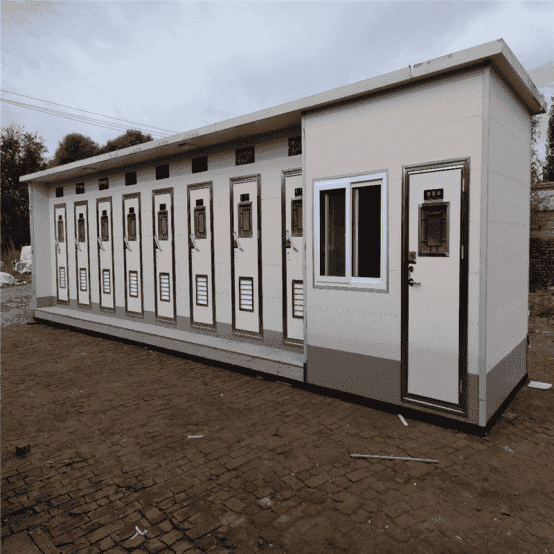
Portable Toilet DY-BZE-YCSConstructed from corrosion-resistant aluminum alloy, it features a flush tank, PVC sink, squat toilet, and comprehensive ventilation and lighting systems. Its clean water tank holds 30L, while the waste tank accommodates up to 200L, supporting extended usage. This portable toilet integrates advanced wastewater treatment technology to effectively eliminate odors and bacteria, ensuring environmental protection and hygiene. After rapid assembly, its interior height reaches 1.8 meters, providing ample space. Furthermore, its easy assembly requires no additional equipment, making it suitable for quick deployment in various emergencies or temporary events. Its high versatility fully reflects the designers' comprehensive consideration of user experience, environmental protection, and operational efficiency.
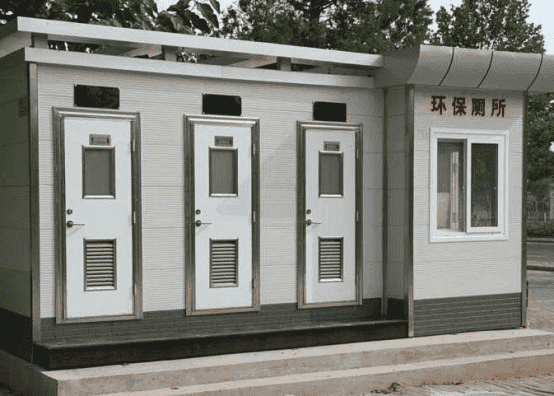
Mobile Toilet Deployment Strategy
1. Site Selection Planning: Deploy portable toilets in locations that are easily accessible and cause minimal disruption to residents' daily lives. Simultaneously, consider terrain, wind direction, and drainage conditions to ensure user comfort and sanitary safety.
2. Adequate Supply: Calculate the required number of portable toilets based on the population size and density of the disaster-affected area to ensure sufficient supply and minimize waiting times.
3. Regular Cleaning and Maintenance: Establish and implement a routine cleaning and disinfection schedule to ensure sanitary conditions in portable toilets and prevent the proliferation of pathogens.
4. Environmental Treatment: Ensure safe and environmentally sound processing of waste from portable toilets. Methods such as chemical treatment, solidification, or fermentation may be employed to minimize environmental pollution.
5. Public Education: Strengthen health education for residents in disaster-affected areas, instruct them on the proper use of portable toilets, enhance personal hygiene awareness, and jointly maintain public sanitation.
The deployment of portable toilets is a critical component of post-disaster recovery efforts. Through scientific planning, rational layout, strict management, and effective maintenance, they can genuinely provide disaster-affected communities with a safe, hygienic, and comfortable sanitation environment. Moreover, they serve as the foundation for rapidly restoring social order and community life in disaster-stricken areas.