



Solutions for Gasoline and Diesel Generators in Actual Disaster Relief Operations
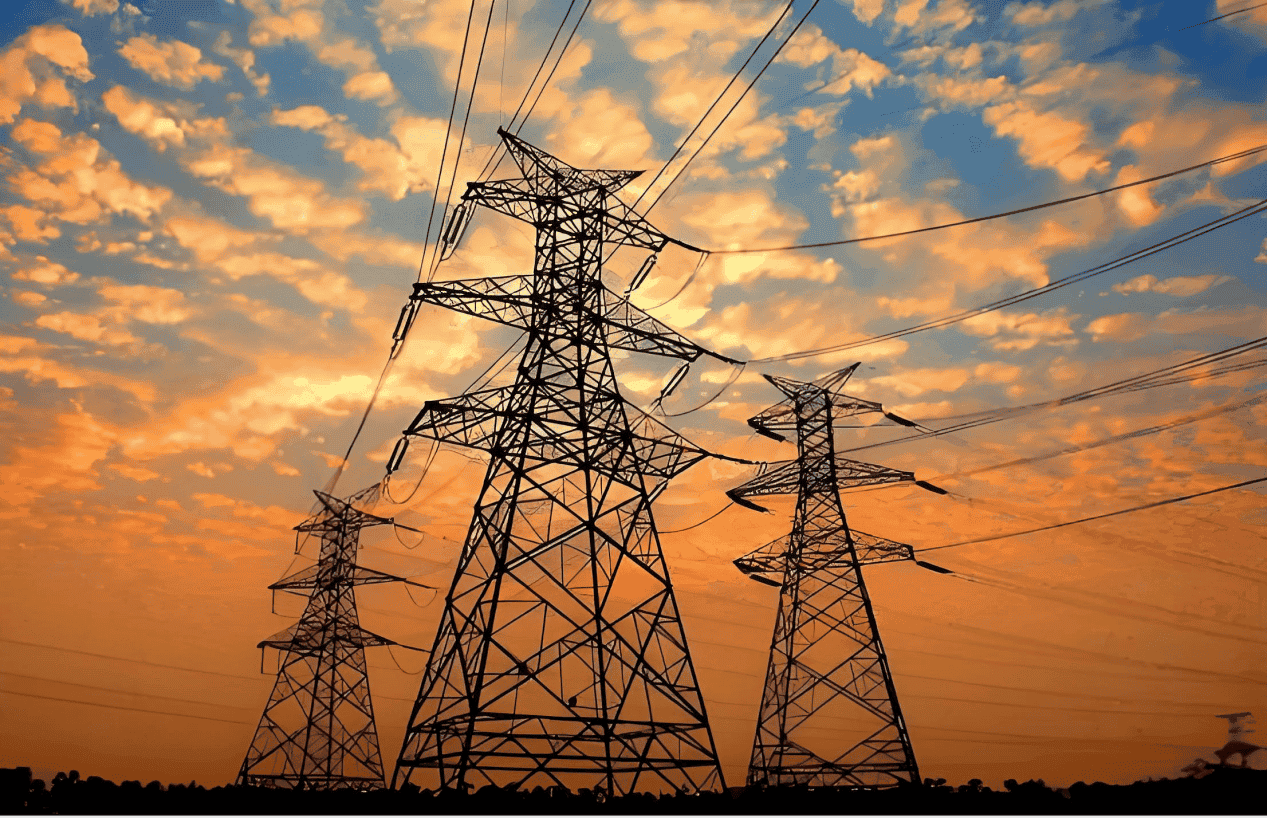
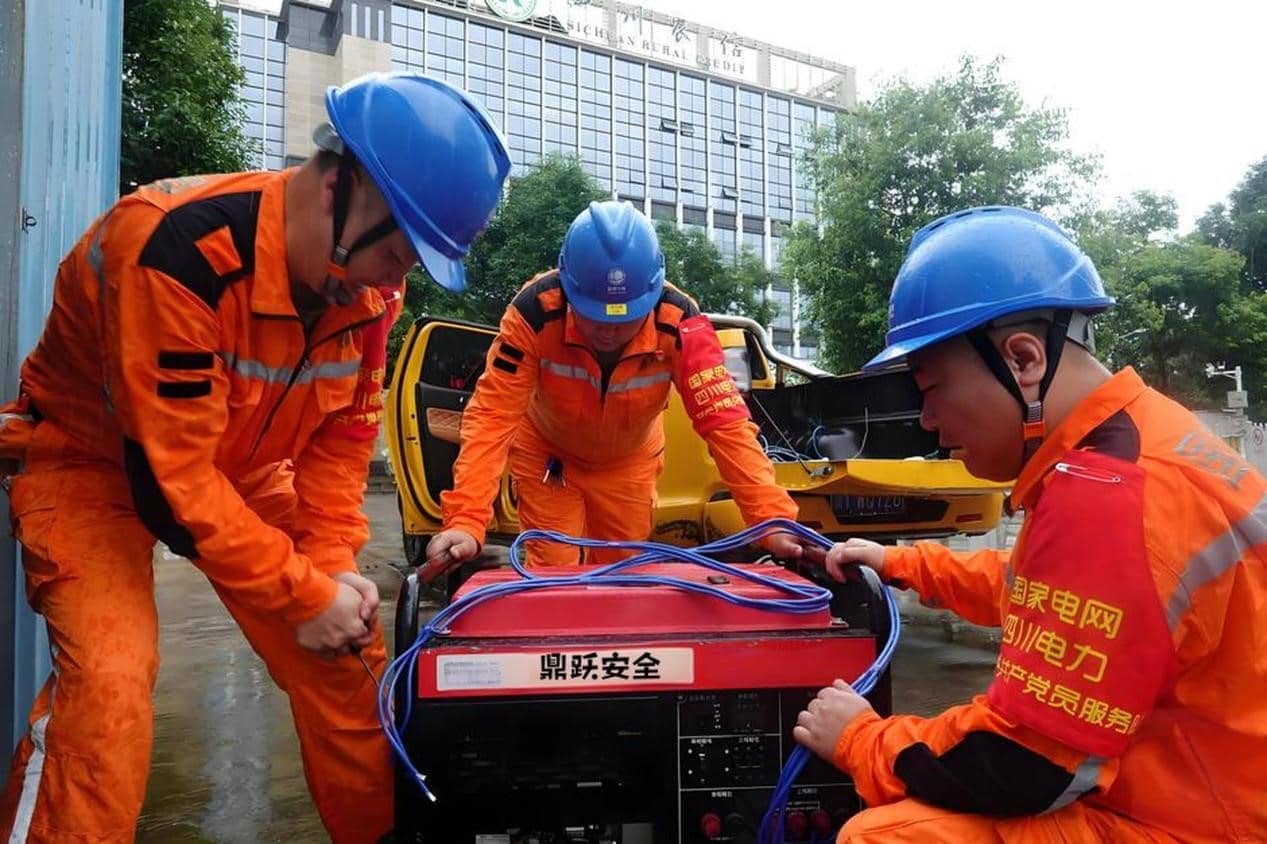
During natural disasters such as earthquakes, floods, typhoons, or other sudden emergencies, power systems are often severely impacted or even completely disrupted. The successful restoration of electricity and disaster relief operations depend on a continuous and stable power supply. Diesel and gasoline generators, valued for their reliability, convenience, and efficiency, have become critical equipment in emergency response efforts.
I. Background and Requirements Analysis
Power Supply for Post-Disaster Emergency Rescue Command Centers:Command centers serve as the core of post-disaster rescue operations and require continuous, stable power support.
Medical Rescue Facilities:Post-disaster medical rescue stations, mobile hospitals, and temporary medical points require electrical power support. Power is particularly critical during surgeries, monitoring patients' vital signs, and operating medical equipment.
Restoration of Communication Systems:Communication equipment such as radios, satellite phones, and mobile base stations requires electricity to maintain connectivity.
Supply and Transportation of Materials:Temporary warehousing and logistics centers require electricity to support refrigeration equipment, transportation vehicles, and other facilities.
Public Lighting: Streets and public areas in disaster zones require lighting to ensure safety during rescue operations.
Therefore, gasoline and diesel generators play a crucial role in providing backup power during post-disaster emergencies, ensuring rescue operations proceed smoothly.
II. Applicability and Advantages of Gasoline and Diesel Generators
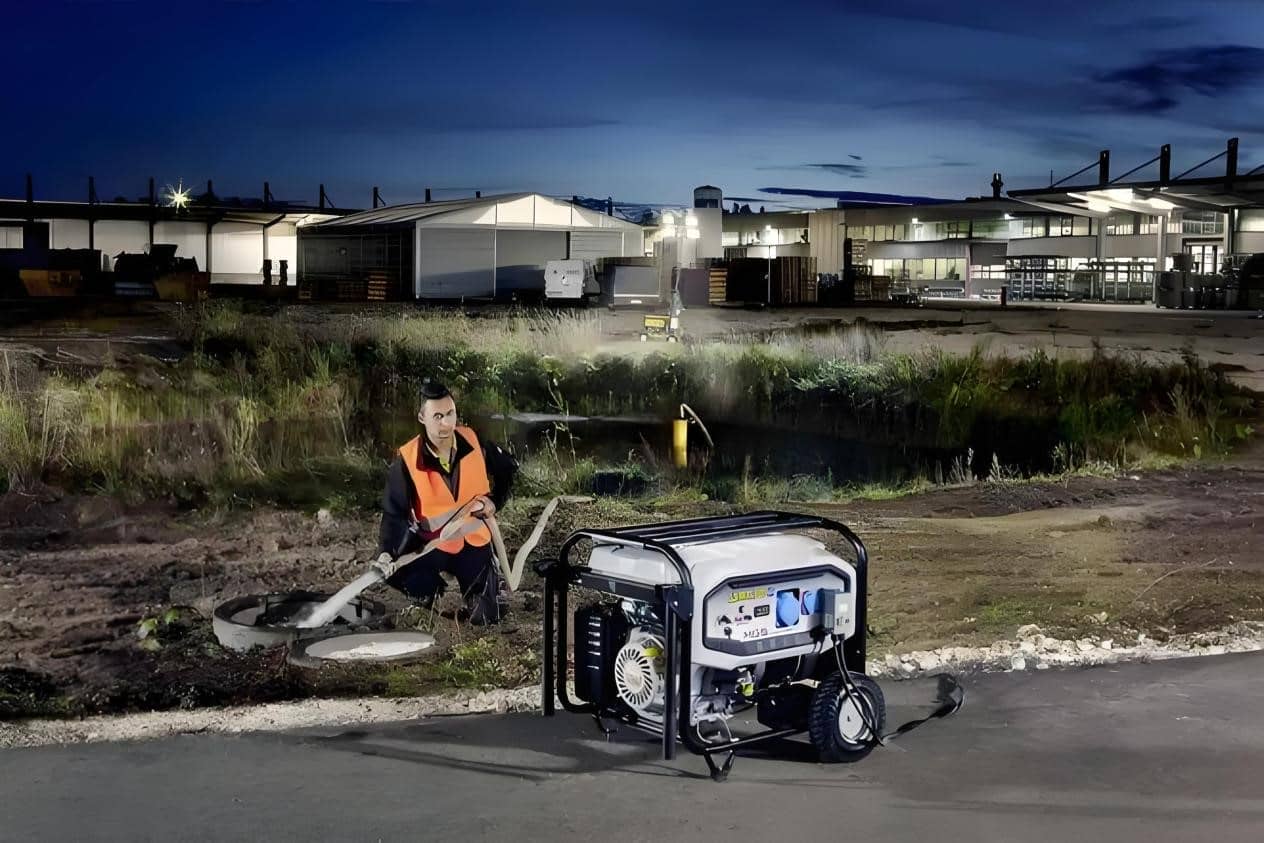
High Reliability and Durability:Compared to other types of power generation equipment, gasoline and diesel generators offer superior stability and extended operational duration. Particularly in scenarios lacking external power support, they deliver uninterrupted power output over extended periods, ensuring the smooth progression of rescue operations.
Quick Start and Automated Operation: Gasoline and diesel generators feature rapid startup capabilities. Some models can even be activated instantly via automated systems during power outages, preventing rescue operations from being delayed due to electricity interruptions.
Mobility and Adaptability: Mobile diesel and gasoline generators offer flexibility, enabling rapid deployment to locations requiring power support. For instance, they can establish temporary power supply stations, mobile hospitals, or emergency communication hubs in disaster zones to ensure stable electricity supply.
Easy Maintenance and Sustainable Fuel Supply:Fuel for gasoline and diesel generators is relatively easy to obtain, especially at fuel stations near disaster areas. Compared to natural gas or the power grid, diesel fuel offers greater availability, ensuring a reliable fuel supply during emergencies.
III. Practical Application Solutions for Gasoline and Diesel Generators
1. Power Supply for the Disaster Relief Command Center
The command center serves as the core of post-disaster relief operations, and power outages will directly impact rescue command and dispatch. It is recommended to select diesel generators with a power range of 50kW to 300kW. These generators can meet the power demands of multiple communication devices, computers, display equipment, and other emergency devices. To ensure continuous power supply, it is advisable to equip at least two generators to address potential equipment failures.
2. Mobile Hospitals and Emergency Medical Facilities
Medical aid stations in disaster zones require uninterrupted power supply, particularly during surgeries and critical care, where stable equipment operation is paramount. Small to medium-sized diesel generators ranging from 10kW to 100kW can be selected, with the appropriate model chosen based on the power requirements of on-site medical equipment. Generators should be equipped with automated control systems to ensure swift switching to generator power during outages.
3. Power Restoration for Communication Systems
Restoring communication equipment is critical for post-disaster relief efforts. Emergency communication systems, including satellite phones, radios, and mobile communication base stations, rely on generators for power. Compact mobile diesel generators (5kW-30kW) should be selected to provide electrical support for communication equipment, with multiple power points deployed according to the scale of the disaster area. Generators must possess high interference resistance to adapt to the complex electromagnetic environment in disaster zones.
4. Temporary Material Supply and Refrigeration Equipment
Following a disaster, the distribution of supplies and cold chain management become particularly critical. Refrigerated trucks and storage facilities require power from generators. Diesel generators ranging from 20kW to 50kW can be deployed to ensure the continuous operation of refrigeration equipment. Additionally, mobile power stations can be established to provide electricity support to multiple supply points.
5. Public Lighting and Emergency Facilities in Disaster-Affected Areas
Public areas and main streets in disaster-stricken zones require prompt installation of lighting equipment after restoration to ensure the safety of rescue personnel. For this purpose, it is recommended to select small generators ranging from 10kW to 50kW, capable of providing sufficient power for street lighting, camp lighting, and public facilities. Multiple generators can be centrally managed to ensure uninterrupted power supply to multiple lighting points.
IV. Generator Selection and Configuration Recommendations
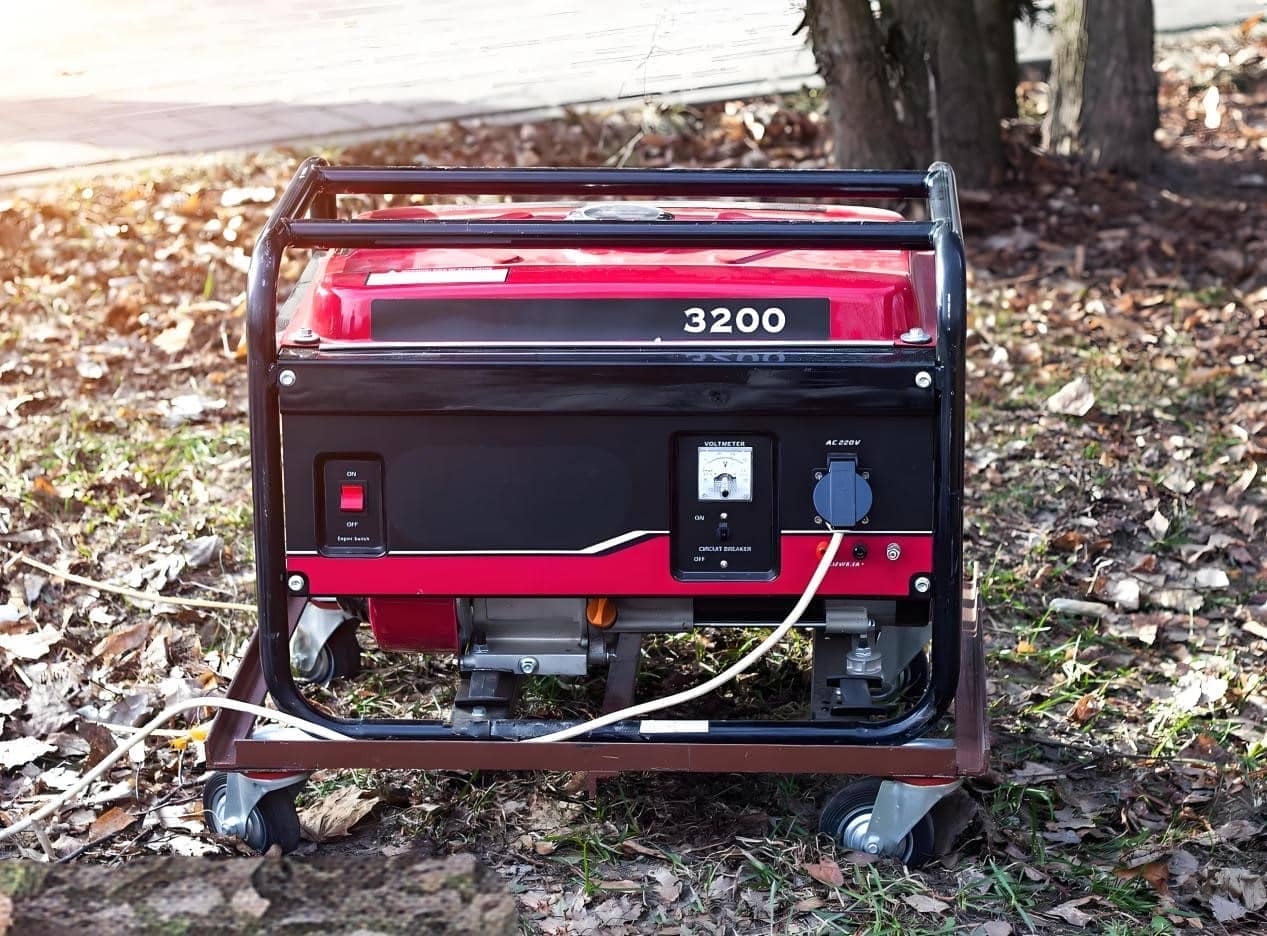
Generator Power Selection: Based on actual requirements, select an appropriate generator power rating. Generally, small generators (5kW–30kW) are suitable for small emergency equipment, while medium generators (50kW–200kW) are ideal for large temporary facilities or powering multiple facilities simultaneously.
Automated Control System:To enhance emergency response efficiency, it is recommended to select a generator system equipped with automated control and automatic start-up capabilities. Such systems can activate automatically during power outages, minimizing manual intervention.
Fuel Management and Logistics Support: Given potential fuel transportation challenges during disaster relief operations, it is recommended to pre-plan the fuel supply chain to ensure uninterrupted generator operation. For long-term power requirements, consider implementing a dual-fuel system utilizing both diesel and natural gas.
Convenient Transportation and Deployment:Select generators that are easy to transport and deploy based on the geographical environment and transportation conditions of the disaster area. Emergency generators should ideally be equipped with mobile chassis or trailers to facilitate rapid deployment to various locations within the disaster zone requiring power.
V. Conclusion
The application of gasoline and diesel generators in disaster relief extends beyond merely providing power support for emergency rescue operations; they serve as vital tools for ensuring efficient rescue efforts and minimizing post-disaster impacts. Through proper selection, configuration, and fuel management, these generators can effectively deliver sustained power to affected areas, providing crucial support for post-disaster recovery. Therefore, the preparation and deployment of generators constitute an indispensable component of every post-disaster emergency response plan.