



Power Emergency
Power emergency response systems are capable of withstanding the impact of natural disasters and sudden incidents. Natural disasters such as typhoons and earthquakes, as well as sudden incidents like fires and traffic accidents, can all cause damage to power facilities, leading to power supply interruptions. The power emergency response system possesses the capability to address these unexpected situations, enabling the swift activation of contingency plans, the organization of personnel for emergency repairs, and the assurance of continuous power supply.
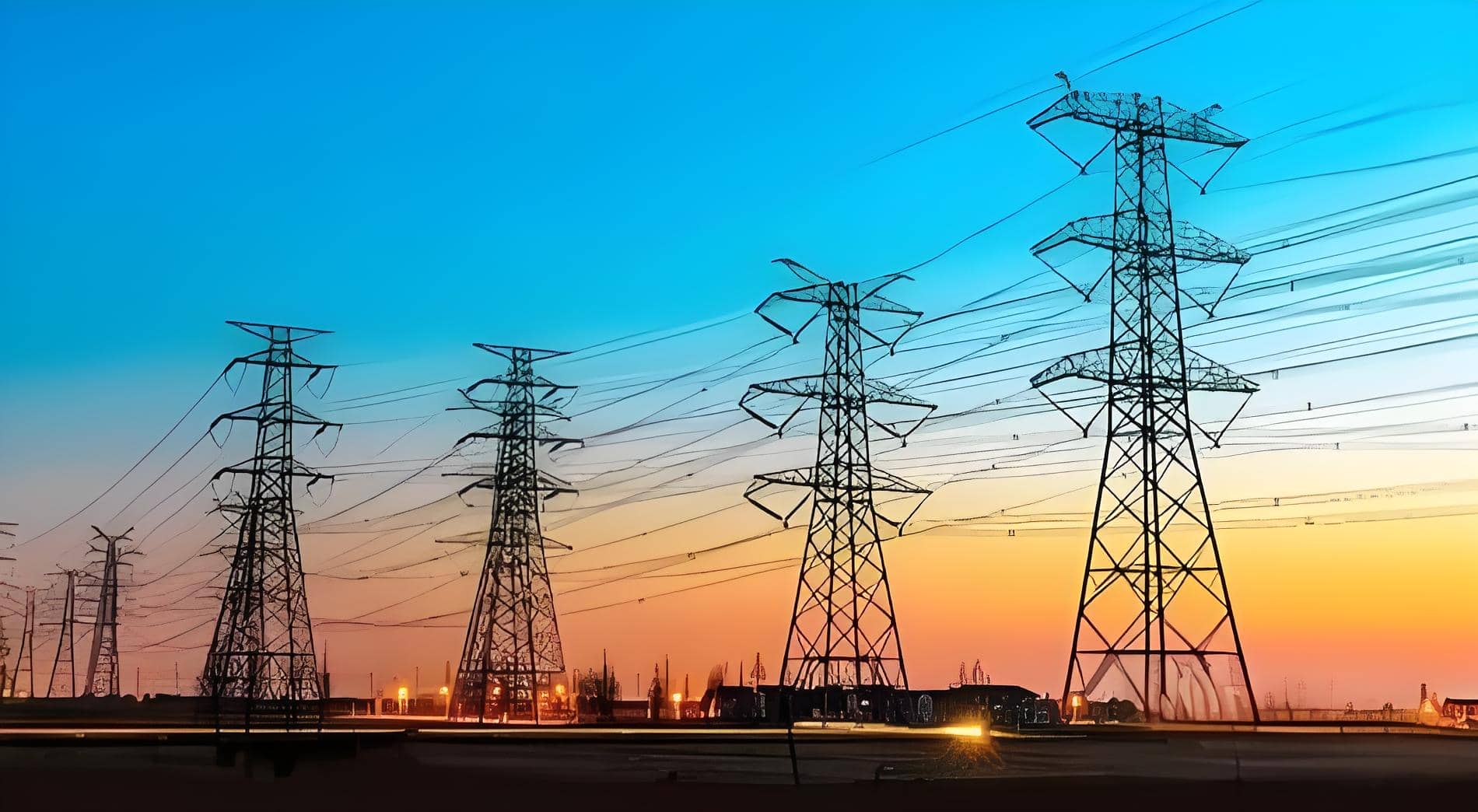
Power emergency response encompasses power monitoring and early warning systems, power monitoring and early warning equipment, and electrical fire detection devices. The power early warning monitoring system integrates information collection, visualization, dispatch, communication, material resource allocation, and auxiliary analysis and decision-making to enable scientific command and rapid handling of sudden emergency incidents.
Power early warning monitoring equipment is a vital component of emergency response systems. By continuously monitoring the operational status and environmental conditions of power supply systems, it promptly identifies issues and issues early warnings. This helps mitigate potential power failures or outages, thereby enhancing the reliability and stability of the power system.
Electrical fire detection equipment has a wide range of applications, including but not limited to substations, power plants, transmission and distribution lines, and various electrical facilities. Through precise detection and rapid response, these devices provide robust safeguards for the stable operation of power systems.
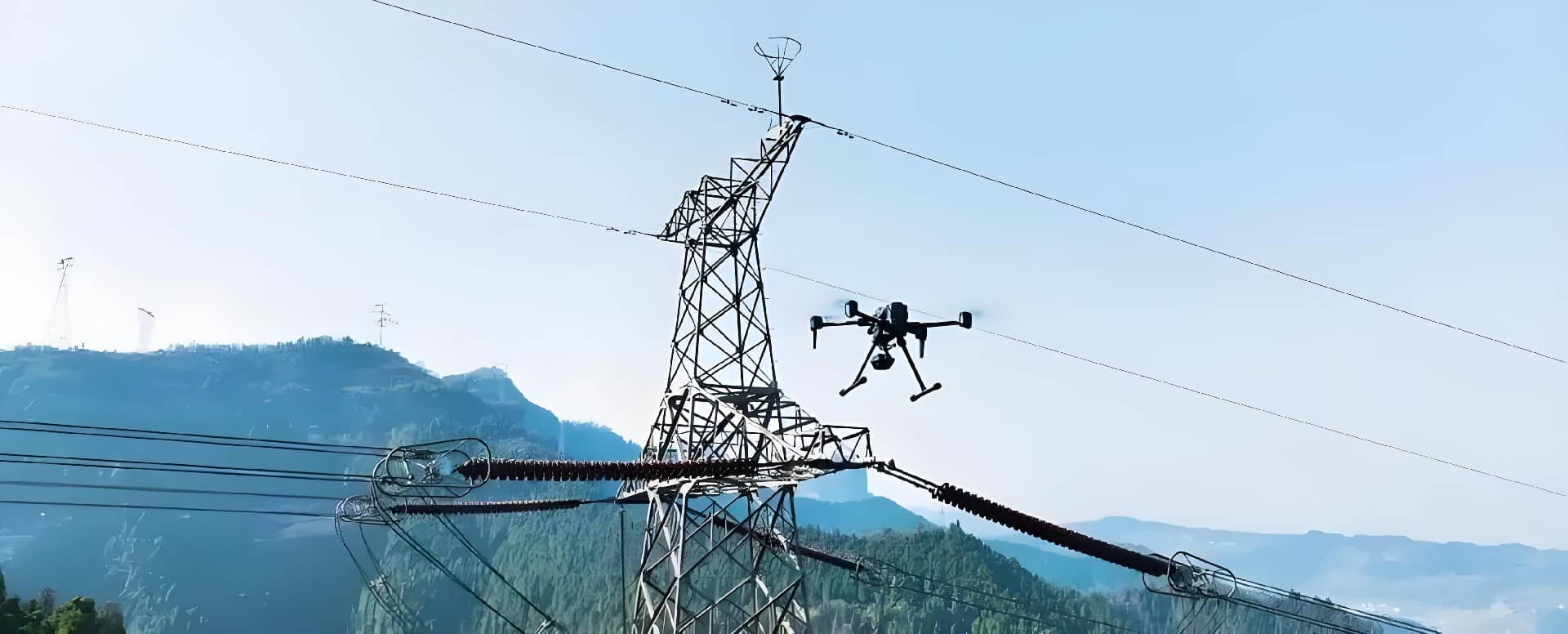
Power emergency response systems are capable of withstanding the impact of natural disasters and sudden incidents. Natural disasters such as typhoons and earthquakes, as well as sudden incidents like fires and traffic accidents, can all cause damage to power facilities, leading to power supply interruptions. The power emergency response system possesses the capability to address these unexpected situations, enabling the swift activation of contingency plans, the organization of personnel for emergency repairs, and the assurance of continuous power supply.
Power emergency services also shoulder the vital responsibility of keeping the lights on in millions of homes. As night falls and lights illuminate every household, this relies entirely on the quiet dedication and steadfast commitment of power emergency personnel. They remain constantly prepared to respond to any unexpected situation, ensuring every light functions reliably and creating a safe, comfortable, and warm living environment for the public.