



Smart Grid Application Solutions
I. Introduction
With the rapid advancement of information and communication technologies, the Internet of Things, big data, and artificial intelligence, traditional power grids are undergoing a transformation toward intelligent, digital, and efficient operations. Smart grids aim to achieve comprehensive digital management of the entire power system lifecycle. Through real-time monitoring, automated control, and data analysis, they enable efficient energy distribution and utilization while enhancing system security and economic performance.
II. Objectives and Requirements Analysis
Optimizing Power Transmission and Distribution: Reducing grid losses, ensuring stable power supply, and improving energy utilization efficiency.
Enhancing Grid Safety and Reliability:Rapidly responding to power failures through real-time monitoring and predictive maintenance.
Implementing green energy-saving management:Supporting new energy integration to advance the clean transformation of the power sector.
Meeting users' personalized needs:Providing smart electricity services to users, enabling functions such as intelligent metering and demand response.
III. System Architecture Design
3.1 Perception Layer
Smart Sensing Devices:Deploy smart meters, sensors, monitoring equipment, and other devices to collect real-time parameters such as voltage, current, and temperature.
Data Acquisition Terminal: Uploads field data to the data center via a local area network or wireless network.
3.2 Communication Layer
Communication Networks:Utilizingmultiple communication technologies such as 5G, fiber optics, and wireless networks to achieve efficient data transmission.
Data Transmission Protocol: Standardized protocols are adopted to ensure interoperability between devices and data security.
3.3 Data Processing and Control Layer
Big Data Platform: Stores, processes, and analyzes collected data, supporting real-time monitoring and historical data queries.
Intelligent Decision-Making System:Utilizing artificial intelligence algorithms for prediction, optimized scheduling, and fault diagnosis to achieve autonomous regulation of the power grid.
SCADA System:Establish a centralized monitoring and management platform to enable real-time monitoring and control of the entire power grid's operational status.
3.4 Application Layer
User Service Platform:Provides users with smart electricity usage, energy consumption analysis, remote control, and interactive feedback services.
Operations and Maintenance Management System:Assists power grid operations and maintenance personnel with fault early warning, remote monitoring, and intelligent maintenance.
IV. Core Technologies and Innovation Points
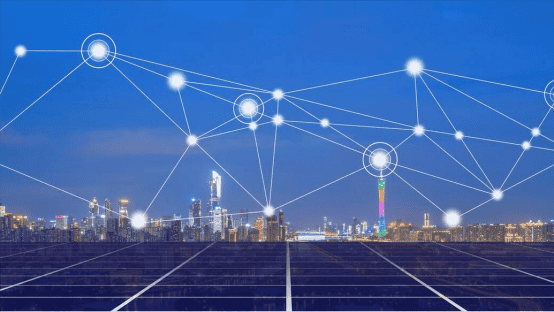
Internet of Things Technology:Enabling interconnectivity among devices to build a fully perceptive network.
Big Data and Artificial Intelligence: Through data mining and intelligent algorithms, achieve power load forecasting, fault diagnosis, and automated scheduling.
Distributed Energy Access:Supports the integration of new energy sources such as solar and wind power, enabling multi-energy complementarity and coordinated optimization within the power grid.
Cybersecurity Protection:Establish a multi-layered security protection system to ensure the safety and reliability of data transmission and system control.
V. Application Scenarios
Smart Grid Dispatch in Urban Areas:Deploying smart grids in urban regions enables dynamic load management and rapid fault response.
Rural Grid Upgrade: Through smart metering and remote monitoring, we enhance the efficiency of rural grid management and ensure stable power supply for residents.
Industrial Park Energy Management: Achieve intelligent energy distribution within the park, energy conservation and consumption reduction, and automatic switching of backup power sources.
Renewable Energy Integration and Management:Optimize grid dispatch and energy management for distributed renewable sources such as solar and wind power.
VI. Safety and Security System
Physical Security: Strict physical protection measures are implemented for data centers and communication equipment at all levels.
Cybersecurity:Employing encrypted communications, firewalls, intrusion detection systems, and other measures to ensure the security of data transmission.
Emergency Response Mechanism:Establish comprehensive contingency plans and rapid response mechanisms to ensure stable system operation during emergencies.
VII. Implementation Steps and Rollout Plan
Research and Planning: Conduct a comprehensive survey of the regional power grid's current status to identify critical nodes and renovation requirements.
System Design and Selection: Develop detailed technical solutions and select appropriate equipment and platforms.
Pilot Deployment:Conduct pilot applications in selected areas to validate system functionality and stability.
Full-scale rollout:System optimization based on pilot feedback, with gradual expansion across the entire network.
Operations and Continuous Improvement:Establish a continuous operations mechanism, regularly update system functions, and enhance overall intelligence levels.

VIII. Expected Outcomes
Enhancing Power Grid Operational Efficiency:Reducing losses, achieving load balancing control, and improving power utilization efficiency.
Ensuring grid security and stability: Achieving rapid fault location and response to reduce accident rates and power outage duration.
Promoting New Energy Development:Optimizing new energy grid integration and management to advance the green energy transition.
Enhancing User Experience:Delivering real-time monitoring, smart metering, and personalized services to boost user satisfaction.
IX. Conclusion
As a key development direction for future power systems, smart grids leverage information technology and intelligent solutions to achieve efficient power distribution, energy conservation, and emissions reduction while significantly enhancing system security and user service levels. This initiative, grounded in technological innovation and system integration, drives the transformation of traditional grids into modern smart grids through phased implementation and continuous optimization, thereby establishing an efficient, secure, and green new energy system.