



Application of Radar Life Detectors in Accident Rescue Operations
In various disasters such as earthquakes, collapses, and mudslides, many trapped individuals are buried beneath rubble or soil, making them difficult to detect using traditional methods. Radar life detectors can precisely locate trapped persons by detecting faint breathing or heartbeat signals through walls, concrete, or other obstructions. This equipment plays a crucial role in enhancing rescue efficiency, shortening search times, and increasing survival rates.
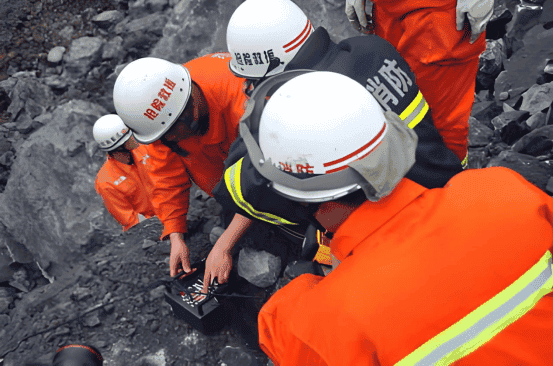
I. Operational Steps、Operational Steps
1. Preparation Phase
Equipment Inspection:Before departure, rescue teams must ensure all functions of the detector are operational, including battery charge, antenna, display screen, control panel, etc.
Site Survey:Upon arrival at the accident scene, rescue personnel assess the environment, preliminarily delineate areas where trapped individuals may be located, and select positions with low electromagnetic interference for detection.
Operator Assignment:Assign dedicated equipment operators to ensure detection tasks are performed by team members familiar with equipment operation, with other team members assisting their detection activities.
2. Detection Implementation
Set detection points:Select suitable detection points within the target area, place the detector steadily, and adjust to the optimal detection angle.
Activate Equipment:Start the detector, adjust it to the mode suitable for detecting life signs, and systematically scan the ruins for any possible signs of life.
Signal Observation:Observe whether regular fluctuating signals appear on the device display, focusing particularly on minute signals indicative of breathing or heartbeat. Only after confirming data stability should suspected vital signs be acknowledged.
3. Data Analysis and Verification
Signal Verification:After detecting a life signal, recalibrate the device and perform multiple scans at that location to confirm signal accuracy.
Record location information:Document the coordinates of this point, mark the location on-site, and simultaneously notify the command center to coordinate subsequent rescue operations.
Multi-angle re-examination:When necessary, scan the same location from different angles to ensure the precision and accuracy of the signal source.
4. Rescue Coordination
Feedback Mechanism:Real-time transmission of position data from each detection to the command center, with subsequent detection direction or search area adjustments based on command instructions.
Team Coordination:Coordinate other rescue personnel to conduct excavation and rescue operations based on detection results and marked points, ensuring priority resource allocation to the target area.
Follow-up Actions:For successfully rescued trapped individuals and areas confirmed to have no signs of life, promptly update detection points to avoid redundant operations and enhance efficiency.
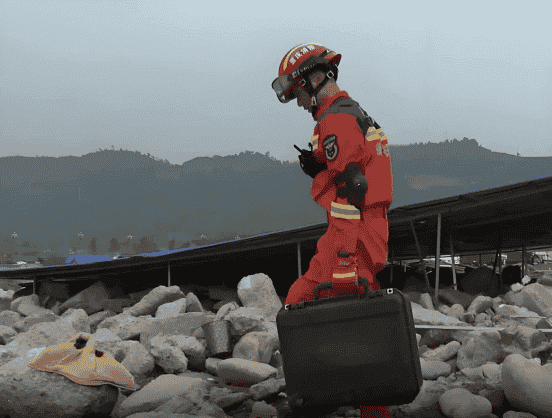
II. Equipment Maintenance and Management
Regular Inspection:After completing daily rescue missions, conduct a thorough inspection of the detector, paying particular attention to critical components such as battery charge, antenna connections, and the display screen.
Fault Detection:In extreme environments, equipment is susceptible to damage and should undergo regular calibration to test its signal recognition and fluctuation reception capabilities, ensuring accuracy.
Backup Equipment:During extended rescue operations, it is recommended to carry spare batteries or backup detectors to prevent delays caused by low battery power or equipment malfunctions.
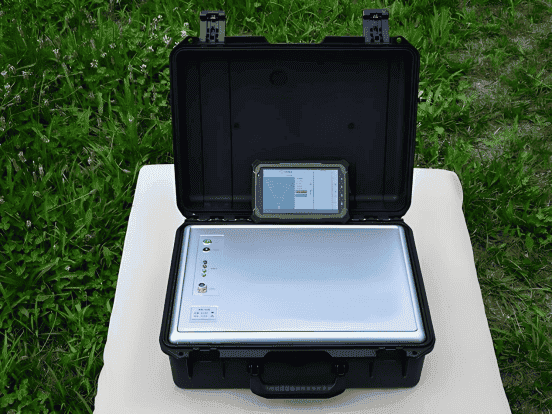
III. Safety Precautions
Preventing False Alarms:During detection, minimize personnel movement to avoid the device detecting breathing or heartbeat signals from nearby team members. Operators should maintain a distance of at least 2 meters from the detector to prevent errors.
Signal Interference Management:In areas with high electromagnetic interference, the detector may be affected. Therefore, select a low-interference environment whenever possible or adjust the device to anti-interference mode.
Repeat Confirmation:If the detection signal is abnormal, it is recommended to perform a repeat scan for confirmation to avoid wasting rescue resources.
IV. Conclusion
Radar Life Detector DY-DZE-LSYIts application in accident rescue significantly enhances the detection rate of vital signs and rescue efficiency. Through standardized operation, effective information feedback, rigorous equipment management, and safety measures, it better safeguards the survival chances of trapped individuals, providing crucial technical support for rescue teams.