



Practical Application Cases of Tensioners in Earthquakes
I. Overview of the Puller
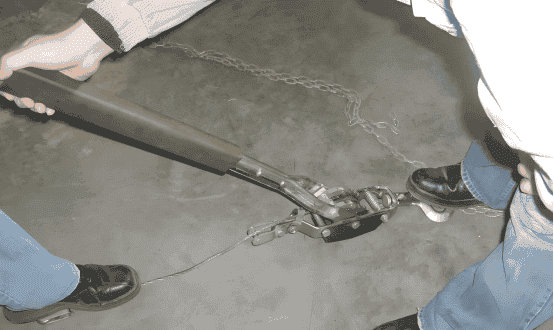
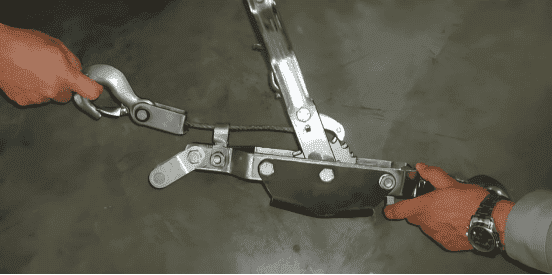
A puller is a heavy-duty mechanical device used in emergency rescue operations, primarily for pulling or towing trapped objects, rescuing trapped individuals, or supporting and stabilizing structures. Utilizing powerful pulling force and traction mechanisms, the winch can move heavy loads or resist external pressure, enabling demolition, towing, and support operations. Due to its formidable pulling capacity and flexible operation, the winch is extensively deployed at disaster sites such as earthquakes and fires, serving as an indispensable key tool in rescue operations.
II. Application of Tensioners in Earthquake Disasters
1. Rescue operations following a building collapse
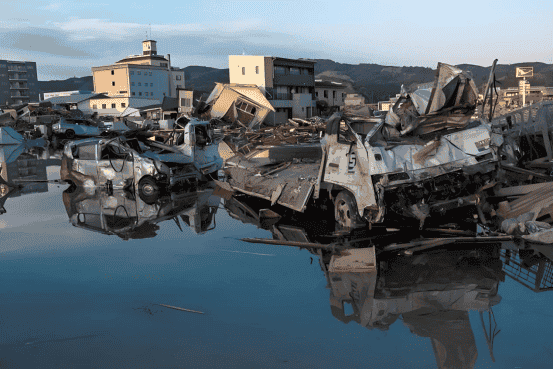
Case Study:Following the 2010 Haiti earthquake, tens of thousands of buildings collapsed, trapping numerous residents beneath the rubble. During rescue operations, pullers were employed to remove debris and massive structural blocks, enabling search and rescue teams to locate and extract trapped survivors. Rescue workers harnessed the winch's pulling force to clear large stones and steel beams from the rubble, creating pathways for search teams and significantly enhancing rescue efficiency.
Functional Analysis:The puller operates steadily under high loads, preventing unnecessary structural damage or secondary disasters through precise traction and control. In collapsed buildings, it significantly reduces the difficulty of manual rescue operations, ensuring the smooth progression of on-site search and rescue efforts.
2. Demolish hazardous structures
Case Study: During the 2015 Nepal earthquake relief efforts, numerous collapsed buildings contained tilted and unstable hazardous structures. Tensioners were employed to pull these leaning walls and reinforced steel frameworks into alignment, stabilizing them to prevent further collapse risks and safeguard rescue personnel.
Functional Analysis:The tensioning device enables precise control over force direction and traction intensity, ensuring unstable structures receive effective traction and positioning while minimizing the risk of secondary disasters.
III. The Role of Tensioners in Disaster Relief Operations
In disaster scenarios such as earthquakes and fires, the spreader plays a crucial role. Its primary function is to rapidly clear space between trapped individuals and obstructions. Whether dealing with collapsed buildings, trees, or vehicles, the spreader achieves extensive clearance with minimal operational difficulty.
Additionally, it safeguards rescue personnel by mechanically relocating heavy objects or hazardous structures to safe zones, thereby reducing their exposure time in high-risk environments. The puller significantly enhances rescue efficiency by efficiently pulling and transferring heavy loads—a far more effective method than manual handling and clearing—accelerating rescue operations and shortening search and rescue times.
Additionally, the puller boasts multifunctional versatility, serving not only to clear obstructions but also functioning as a support, stabilizing, or traction device. It aids in securing unstable structures and enables remote operation, fully demonstrating its powerful adaptability and multi-purpose capabilities.
IV. Conclusion
Tugging Device DY-DZE-QLQAs a vital disaster relief tool, its role in earthquakes, fires, and other emergencies cannot be underestimated. With its powerful traction and pulling capabilities, the tugging device not only effectively clears obstacles and ensures rescuer safety but also enhances rescue efficiency.